Fonterra FY26 Results: $9.69 Milk Price, $3.4bn Profit
Fonterra has unveiled its annual results for the 2026 financial year, posting $27 billion in revenue and close to $20 billion returned to New Zealand farmer owners and unit holders.
 increase font size
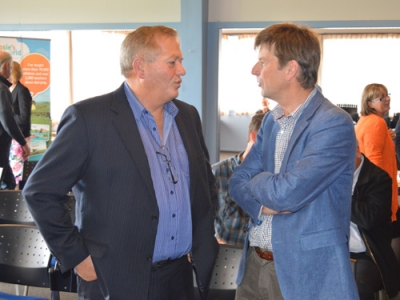 Colin Armer and Peter Jensen at DairyNZ's annual meeting.
Two former Fonterra directors are seeking a reduction in the size of the co-op board.
Greg Gent, a former deputy chairman and Colin Armer, a former director and one of Fonterra's single largest farmer supplier, have put forward a notice of proposal to the co-op's agm in Waitoa next month.
They want shareholder support for a reduction of board members from 13 to nine.
If it is successful their proposal requires the Shareholders Council to conduct an election for all six elected directors in March 2016.
However, the proposal requires 50% support from the Shareholders Council and at least 75% of shareholder votes in favour.
"It's a big hurdle but we've made sure that there are plenty of mechanisms for shareholders to discuss the proposition and its pros and cons before casting their votes," Gent says.
"We all want our cooperative to be more globally competitive and successful with a clear strategy to achieve that. Our farming businesses and livelihoods depend on that.
"We believe that a smaller board is essential to improve the governance and performance of the cooperative. Fonterra has performed well below the expectations the farmers who voted to form it had at the time.
Fonterra has unveiled its annual results for the 2026 financial year, posting $27 billion in revenue and close to $20 billion returned to New Zealand farmer owners and unit holders.

Fonterra Co-operative Group has confirmed the independently assessed candidates standing for election to its board in 2026.
Fonterra has revised its Farmgate Milk Price forecast for the 2026/27 season, lifting the midpoint and narrowing the range on the back of improving global dairy commodity prices.
Outgoing Fonterra Co-operative Council chair John Stevenson says that it has been a privilege to represent the co-op's farmer shareholders.
OPINION: It seems Canterbury processor Synlait is still in the doldrums.


Federated Farmers says it welcomes Labour's commitment to reviewing the Sharemilking Agreements Act, calling on other major parties to do the same.
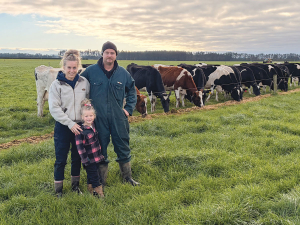
For Canterbury dairy farmers Sian Meijer and Rick Wobben, wearable technology has become one of their most valuable on-farm tools - helping manage 1850 cows across an expansive, high-performing dairy operation while improving efficiency, mating outcomes and day-to-day decision making.
Fonterra has unveiled its annual results for the 2026 financial year, posting $27 billion in revenue and close to $20 billion returned to New Zealand farmer owners and unit holders.
The first major update to the Dairy Cattle Code of Welfare in more than a decade has been released, marking what DairyNZ describes as an important step in ensuring animal welfare standards continue to evolve alongside scientific evidence and on-farm realities.
Ravensdown shareholders have elected Jane Montgomery and Kate Acland to the Ravensdown Board for three-year terms, following a closely contested director election.
Federated Farmers says new legislation replacing the Resource Management Act will cut red tape, unlock investment and help grow New Zealand's export-led economy, after the Planning Bill and Natural Environment Bill passed their third reading in Parliament yesterday.