National Lamb Day will be held next Sunday, February 15, with this year marking the 133rd anniversary of one of the most significant milestones in New Zealand's sheep meat industry.
On this day in 1882, William Davidson and Thomas Brydone launched the first shipment of frozen sheep meat from Port Chalmers in Otago on the Dunedin, bound for London.
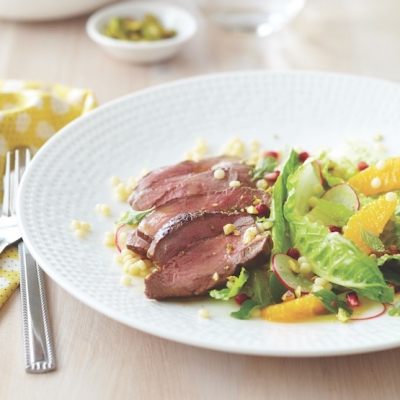
The industry hope Kiwis here and around the world will recognise this incredible feat and celebrate it by enjoying lamb for dinner on February 15.
Beef + Lamb New Zealand chief executive Rod Slater says this day also gives New Zealanders an opportunity to recognise the hard work of our farmers and as a nation, a reason to be proud.
"So let us here in New Zealand celebrate with some delicious New Zealand lamb," says Slater.
"Not only are we celebrating the pioneers of the past 133 years, but also the direction our current agricultural industry is heading. We're 100% behind all those in the industry."
This first voyage was an important step in establishing the sheep and beef industry which now contributes $8.5 billion a year to the New Zealand economy.
The 5000 sheep carcasses arrived in London 98 days later, in excellent condition (although not without incident, with all the challenges of refrigeration in those days) highlighting the size of the accomplishment. Before this, New Zealand mainly sold wool overseas, as no one believed it possible to have a thriving meat export business.