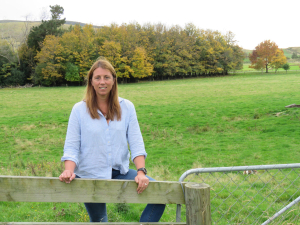
Federated Farmers president Katie Milne has described the first week on COVID-19 lockdown as “good but nerve racking”.
The West Coast farmer says with COVID-19 numbers climbing in rural areas, the farming sector is also feeling vulnerable.
Milne told Rural News that farmers were getting on what they can within the rules of the Alert 4 Level lockdown.
“We are all getting on with what we can safely – distancing from each other’s bubbles and sanitising,” she says.
“All are on tenterhooks hoping all our service providers like meat companies, dairy companies, vets, pack houses and others stay well so we can carry on preparing for winter.”
Milne and Federated Farmers have been at the forefront of discussions between Government and the rural sector on how to manage farming services during the lockout.
She says it not too far-fetched an analogy to say the nation is at war: this time the enemy is microscopic but still deadly.
“And just as farming and food supply was regarded as essential services during both World Wars, the Government has again given us that status under the COVID-19 lockdown.
“As we face huge economic disruption, as a country, we’re holding onto a small number of economic life rafts.
“Farming is one of them.
“The export income we continue to earn is crucial now, and as we recover at the other end of this crisis.”
But the seriousness of the COVID-19 was catching up in rural areas.
Milne says farmers are also feeling as vulnerable as those surrounded by people in cities now that numbers of COVID-19 cases are also climbing in rural areas.
She is urging farmers to stay in their “bubbles” during the lockdown.
Using separate vehicles to get to other farms is all part of what should be done if those needed on the job are not part of your “at home bubble’.
“Keeping our personal bubbles intact is paramount for our family safety as well as our wider communities.”