Push Feed Forward: Spring Nitrogen Tips for a Dry Summer
If you're thinking about investing in ways to push feed forward, this is the year to do it.




 increase font size
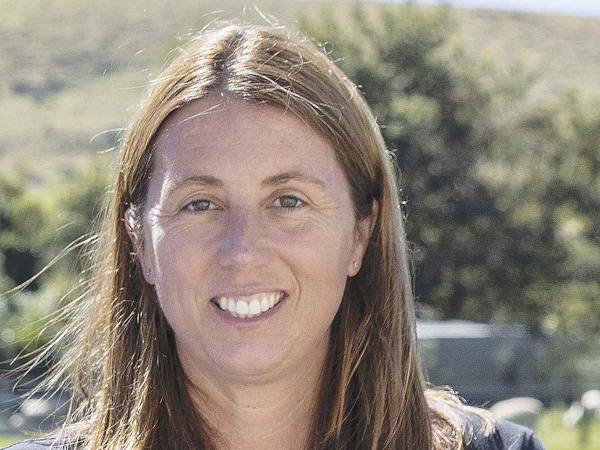 Beef + Lamb New Zealand chair Kate Acland.
According to the latest Beef + Lamb New Zealand (B+LNZ) Stock Number Survey, sheep numbers have fallen by 1% while beef cattle numbers rose by 4.4%.
B+LNZ chair Kate Acland says the survey shows there are reasons for optimism in the sheep and beef sector given recent strong prices.
However, she says challenges remain.
“We’re seeing rebuilding of stock numbers in several regions after drought and other adverse weather events led to sharper reductions in the last two years,” Acland says.
“Farmers are getting much better prices and are feeling more confident about shorter-term prospects,” she adds.
The decline in total sheep numbers is modest as there were more trading hoggets on hand.
However, the number of breeding ewes continue to decline, down 1.9%.
The lamb crop is forecast to be 0.6% lower this season – nearly 120,000 head fewer, on top of a 1.2 million reduction in lambs last year.
“This will only exacerbate already tight supply,” says Acland.
She says the rebuild could have been stronger were there not a continued loss of land to forestry.
“This is creating ongoing concerns about our sector’s long-term viability.
“Our conservative estimate is 2.6 million stock units have been lost to afforestation since 2017, and afforestation is responsible for 78% of the total reduction in sheep and beef stock numbers since 2017,” Acland says.
“The Government has set a goal of doubling exports by 2034, and sheep and beef farmers will be essential to achieving this goal. Nearly 20 percent of New Zealand’s export earnings – $10.4 billion in 2024 – come from the red meat sector.
“But we can’t double exports if we’ve planted our best farmland in pine trees. We’re calling on the Government to do more to restrict whole-farm sales for entry into the ETS.”
The increase in beef cattle is attributed to farmers in some areas rebuilding herds following drought in the South Island last year and Cyclone Gabrielle’s effects in the North Island in 2023.
There has also been a continual shift within farming systems from sheep to beef cattle as cattle prices have been consistently high.
If you're thinking about investing in ways to push feed forward, this is the year to do it.

Farmgate lamb prices are down by 8%, beef cattle by 4.5% and farm expenditure up by 4.2%.
Red meat farmers are welcoming Labour’s plan to review the Emissions Trading Scheme and not to campaign on pricing agricultural emissions.
B+LNZ's Wormwise veterinarian Mary Bowron has won the Best Sheep and Beef Vet of the Year Award in recognition of her outstanding contribution to New Zealand’s sheep and beef sector.
With lambing underway in many regions, Beef + Lamb New Zealand is encouraging farmers to put together a wellequipped lambing kit to help minimise lamb losses, particularly in bad weather.


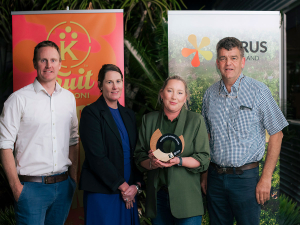
New Zealand's citrus growers were challenged to build their future on the value embedded in their fruit rather than the volume they produce, at Citrus New Zealand's annual gathering in Gisborne on 17 September.
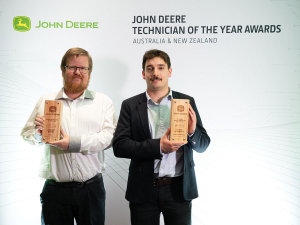
Leading John Deere technicians and apprentices from New Zealand and Australians were recognised at the recent sixth annual JD Technician of the Year Awards, held in Brisbane.
In Dacre, near Invercargill in New Zealand’s South Island, Bruce Dinnington is running a dairy operation unlike any other.
A free online platform aggregating governance vacancies across rural and regional New Zealand has been launched.
Environment Minister Nicola Grigg has announced details of a new rural plastics recycling scheme.
Agricultural drone operators say that a government decision to allow lower-risk drone work without certification won’t lower standards but drive innovation and efficiency.




OPINION: The same mainstream media muppets that brought you Jacindamania in 2017 have been flat out pimping for the Opportunities…
OPINION: Your old mate reckons the atrocious way farmers in the UK are treated by their lords and masters in…




