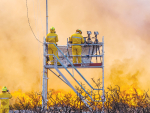
Research burns aim to improve wildfire readiness, response
Scion is running experimental research burns near Christchurch from March 3-14, to test new theories on how wildfires spread under various conditions.
 increase font size
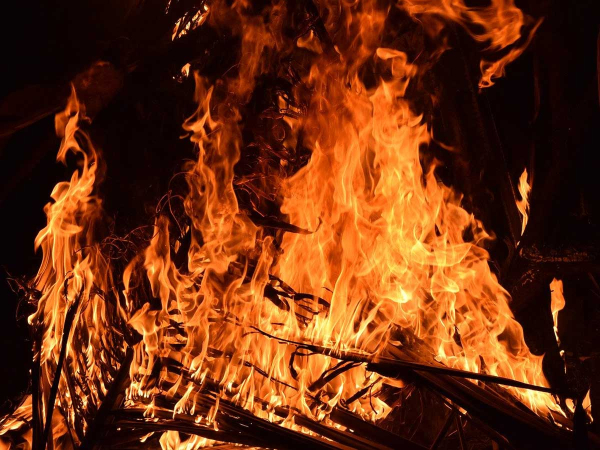 Canterbury has a significant number of hedgerows and shelterbelts near rural infrastructure but, despite this, there is limited research on their role in fire risk.
New student research from the University of Canterbury in partnership with Fire and Emergency New Zealand (FENZ) could improve knowledge surrounding the risk of wildfire.
University of Canterbury (UC) students George Hamilton and Renee Martin were part of a team that examined the effects of factors such as fuel load, vegetation type, and proximity, on fire risk.
The research focused on identifying and mapping hedgerows and shelterbelts in rural Canterbury, analysing their characteristics, and understanding how these features influence fire behaviour.
Hamilton says the research is personal to him.
“My childhood neighbour’s house burnt down due to a hedgerow fire that spread for two kilometres,” he says. “That experience stayed with me and motivated my interest in this topic.”
Supervised by Associate Professor Marwan Katurji from UC’s School of Earth and Environment, the students began by mapping West Melton hedgerows and shelterbelts to understand their geospatial relationship with infrastructure.
Katurji says the project is contributing to understanding of the risk of wildfire in household environments, using fuel distribution and potential fire behaviour to inform safe living.
“The pilot research aligns well with Fire and Emergency's ongoing national wildfire threat analysis programme. Identifying new fuel types in our rural-urban landscape will help in fire behaviour prediction and firefighting resource allocation.”
Meanwhile, Hamilton says Canterbury has a significant number of hedgerows and shelterbelts near rural infrastructure but, despite this, there is limited research on their role in fire risk.
Part of the research project was to create mitigation strategies based on their findings, Martin explains.
“We discovered that native plantings, creating breaks in shelterbelts and planting hedgerows and shelterbelts further from buildings are key to reducing fire risk,” she says.
In addition to this the team created a risk index to help identify high-risk areas.
“By understanding the patterns and characteristics of hedgerows, communities can reduce fire impact before it starts and respond quicker when fires start,” Hamilton concludes.
Scion is running experimental research burns near Christchurch from March 3-14, to test new theories on how wildfires spread under various conditions.
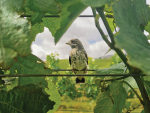
A new research project is studying the influence of vineyard biodiversity on bird populations, and the impact of those birds on surrounding vineyards in different seasons.
An innovative mobile app that uses artificial intelligence to identify harmful weeds, pest animals and diseases is enabling more Kiwis to join the fight against invasive pests this summer.
New research led by a University of Canterbury academic has identified that conventional seed banking alone isn’t enough to conserve all of New Zealand’s endemic plants.
Fire and Emergency New Zealand is reminding winegrowers to be prepared for the potential risks associated with a return to "normal" fire season.


The first major update to the Dairy Cattle Code of Welfare in more than a decade has been released, marking what DairyNZ describes as an important step in ensuring animal welfare standards continue to evolve alongside scientific evidence and on-farm realities.

Ravensdown shareholders have elected Jane Montgomery and Kate Acland to the Ravensdown Board for three-year terms, following a closely contested director election.
Federated Farmers says new legislation replacing the Resource Management Act will cut red tape, unlock investment and help grow New Zealand's export-led economy, after the Planning Bill and Natural Environment Bill passed their third reading in Parliament yesterday.
Leading figures from the major political parties will be questioned on their primary sector policies at the Rural Issues Debate at Mystery Creek Events Centre, Hamilton, on 30 September.
OPINION: Have a plan in place now!
Beef + Lamb New Zealand (B+LNZ) says it welcomes the passage of the Natural Environment Bill and Planning Bill, calling the bills a positive step for sheep and beef farmers.




