
NZ Rural Contractors Push for Urgent VDAM Rule Reform
While the Government has moved quickly to make commercial hauliers' lot easier during the current fuel crisis, they appear to be stuck in the creep box when it comes to the agricultural industry.
 increase font size
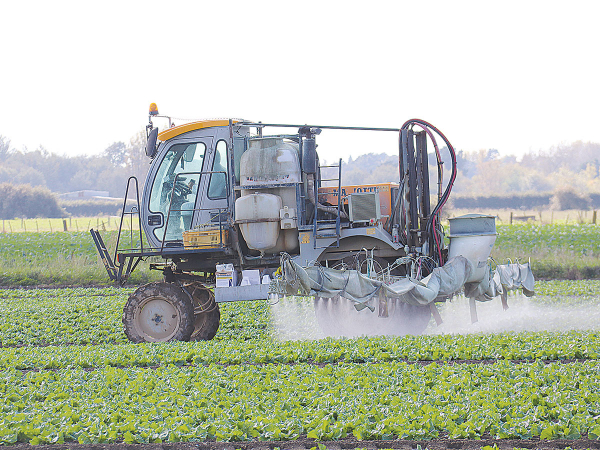 The new standard details requirements for a spray plan, notification of affected parties and putting up signage to provide better communication of spraying activities.
Wairarapa-based Clinton Carroll refers to the new agrichemical standard - NZS 8409:2021 - as the spraying contractors' bible.
As Rural Contractors NZ vice-president and the organisation's representative on the New Zealand Agrichemical Education Trust (NZAET), Carroll says it's time people got the updated version.
He believes the new standard needs to be more widely promoted. It's the first revision in nearly 20 years and Carroll explains that it brings agrichemical use into the 21st century even extending to guidance for new technologies - such as automated sprayers, unmanned aerial vehicles (UAVs) and drones.
"Some spraying contractors and others using agrichemicals seemed to remain unaware that the new standard is out and available for free if they hold a current Growsafe certificate such as Registered Chemical Applicator (RCA)."
NZAET, which oversees Growsafe, general manager Jane Lamb encourages all agrichemical users to take a look at the new standard saying it "is a lot easier to read than the regulations themselves".
She says users will find all the regulatory and good practice guidelines for safe, responsible agrichemical use in one place.
The new agrichemical standard provides practical and specific guidance on the safe, responsible and effective storage, handling and use of agrichemicals - including pesticides and veterinary medicines.
Meanwhile, Carroll says all training is now based around the new standard and spray contractors holding a Growsafe RCA certificate will need to show they are up to speed when they come to renewals.
"Basically, it's your bible," he says. "If you want to know what's required to apply a chemical or check on how best to dispose of residues or containers, this is what you need."
The new standard replaces that in place since 2004 with the NZAET leading the review.
Carroll says the standard also provides more detail on how spray contractors, farmers and other agrichemical users should dispose of sprayer washings.
"This gives some clear guidance on where you can wash down and the steps you need to take to reduce any potential environmental harm."
The updated standard also includes a new requirement to undertake an onsite risk assessment immediately prior to any spraying. It also gives more detailed requirements for a spray plan, notification of affected parties and putting up signage to provide better communication of spraying activities.
The 2021 Management of Agrichemicals standard is available on the Growsafe website.
While the Government has moved quickly to make commercial hauliers' lot easier during the current fuel crisis, they appear to be stuck in the creep box when it comes to the agricultural industry.

Ensure your insurance is fully comprehensive and up to date because as a rural contractor you don’t know what’s around the corner.
Rural contractors are getting guidance on how to deal with recent rising fuel prices.
Rural contractors will be able to play a role in the revamped agricultural plastic recycling scheme with new regulations due for Cabinet signoff before this year’s election.
Rural contractors want the Government to include a national standard for air plans as part of its Resource Management Act reforms.



Federated Farmers says it welcomes Labour's commitment to reviewing the Sharemilking Agreements Act, calling on other major parties to do the same.

For Canterbury dairy farmers Sian Meijer and Rick Wobben, wearable technology has become one of their most valuable on-farm tools - helping manage 1850 cows across an expansive, high-performing dairy operation while improving efficiency, mating outcomes and day-to-day decision making.
Fonterra has unveiled its annual results for the 2026 financial year, posting $27 billion in revenue and close to $20 billion returned to New Zealand farmer owners and unit holders.
The first major update to the Dairy Cattle Code of Welfare in more than a decade has been released, marking what DairyNZ describes as an important step in ensuring animal welfare standards continue to evolve alongside scientific evidence and on-farm realities.
Ravensdown shareholders have elected Jane Montgomery and Kate Acland to the Ravensdown Board for three-year terms, following a closely contested director election.
Federated Farmers says new legislation replacing the Resource Management Act will cut red tape, unlock investment and help grow New Zealand's export-led economy, after the Planning Bill and Natural Environment Bill passed their third reading in Parliament yesterday.




