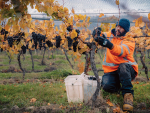
SWNZ Strengthens People Pillar for Global Markets
With ethical employment practices a "hot topic" in key markets, Sustainable Winegrowing New Zealand (SWNZ) is strengthening its People Pillar.
 increase font size
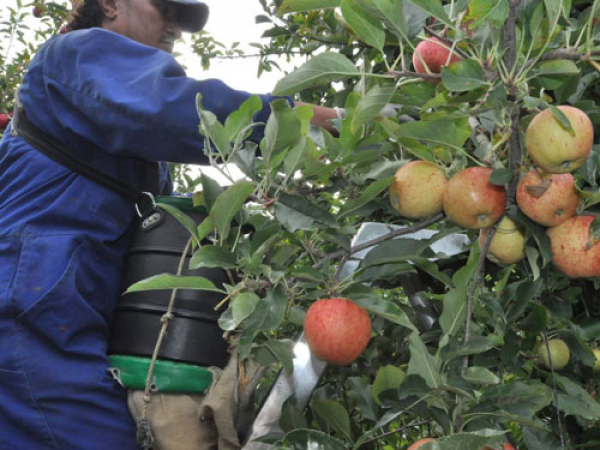 The SSE visas will allow holders to work in horticulture and viticulture roles.
Around 11,000 people whose working visas are set to expire over the 2020/21 season have been granted a new visa.
The Supplementary Seasonal Employment (SSE) visa will be automatically given to working holiday visa holders in New Zealand with visas expiring between 1 November 2020 and 31 March 2021.
The Government says these visas will allow them to work in horticulture and viticulture roles, where there are not enough New Zealanders available to do this work.
“This season we expect more Kiwis, who have lost jobs due to COVID-19, will be available to work in these sectors, but it is likely there will be a shortfall of workers as these industries have often relied on migrants for their seasonal peaks,” said Minister of Immigration Kris Faafoi.
“Therefore, people in New Zealand with expiring working holiday visas will be able to stay here to fill short-term horticulture and viticulture roles,” said Faafoi.
Employers can take on these workers when there are unfilled Recognised Seasonal Employer (RSE) scheme spaces with an RSE employer, or there are unfilled roles available with an accredited SSE employer.
Employers will also be able to take on SSE workers for roles in regions specified on a list which the Ministry of Social Development is currently compiling.
Government changes will also enable other work visa holders to apply for an SSE visa if they have a job offer from one of these employers or if the job is on the Ministry of Social Development list.
In addition, all RSE scheme workers stranded in New Zealand who have been granted a more flexible limited visa to be able to work part-time and do non-RSE work will be able to ‘re-enter’ the RSE scheme and work for an RSE employer with 30 hours per week average pay guaranteed.
Faafoi said the Government remained committed to the RSE scheme.
“We know many RSE workers are stranded in New Zealand because of COVID-19. These changes will provide certainty and options for these people, and we expect RSE workers will have priority for any seasonal work that cannot be filled by New Zealanders.
“Our borders are closely controlled in order to keep COVID-19 out. While only a small number of migrants can arrive in New Zealand, the Government is enabling the remaining migrant workforce to stay on. This will go a long way to support the labour needs of the horticulture and viticulture industries.
“RSE workers offshore will be able to return and work in New Zealand when it is safe to do so.
“The RSE scheme is part of our special relationship with the Pacific and is a win-win for us and our Pacific neighbours. It helps ensure our horticulture and viticulture industries are productive, and the scheme supports Pacific Island economies through remittances,” said Faafoi.
With ethical employment practices a "hot topic" in key markets, Sustainable Winegrowing New Zealand (SWNZ) is strengthening its People Pillar.

OPINION: Farmers have been clear: it is getting harder, not easier, to find and keep good people.
OPINION: The previous government spent too much during the Covid-19 pandemic, despite warnings from officials, according to a briefing released by the Treasury.
OPINION: Labour leader Chris 'Chippy' Hipkins is carrying on the world-class gaslighting of the nation that he and his cohorts started after their disastrous Covid response; now trying to undermine the Covid inquiry to protect his own backside.
OPINION: Did former PM Jacinda Ardern get fawning reviews for her book?



Federated Farmers says it welcomes Labour's commitment to reviewing the Sharemilking Agreements Act, calling on other major parties to do the same.
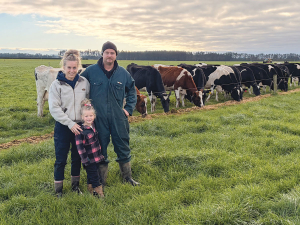
For Canterbury dairy farmers Sian Meijer and Rick Wobben, wearable technology has become one of their most valuable on-farm tools - helping manage 1850 cows across an expansive, high-performing dairy operation while improving efficiency, mating outcomes and day-to-day decision making.
Fonterra has unveiled its annual results for the 2026 financial year, posting $27 billion in revenue and close to $20 billion returned to New Zealand farmer owners and unit holders.
The first major update to the Dairy Cattle Code of Welfare in more than a decade has been released, marking what DairyNZ describes as an important step in ensuring animal welfare standards continue to evolve alongside scientific evidence and on-farm realities.
Ravensdown shareholders have elected Jane Montgomery and Kate Acland to the Ravensdown Board for three-year terms, following a closely contested director election.
Federated Farmers says new legislation replacing the Resource Management Act will cut red tape, unlock investment and help grow New Zealand's export-led economy, after the Planning Bill and Natural Environment Bill passed their third reading in Parliament yesterday.




