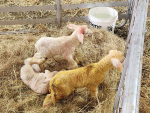
Beef + Lamb NZ's Lambing Kit Checklist for a Tough Season
With lambing underway in many regions, Beef + Lamb New Zealand is encouraging farmers to put together a wellequipped lambing kit to help minimise lamb losses, particularly in bad weather.
 increase font size
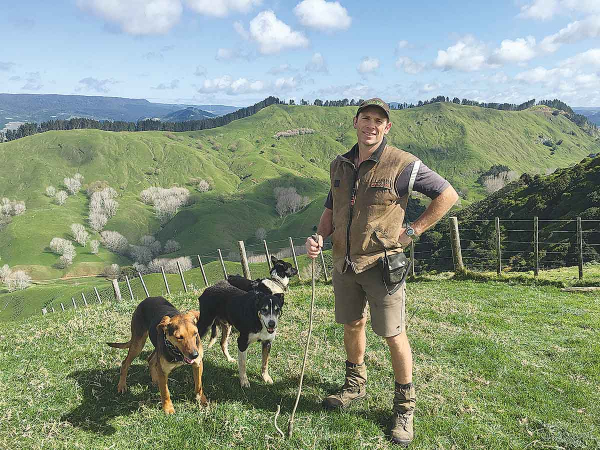 New Wools of NZ chair James Parsons acknowledges that wool prices were at an all-time low and unsustainable at current price levels.
Northland sheep and beef farmer James Parsons doesn’t see himself as the white knight when it comes to fixing the wool sector.
In late June, Parsons was elected chair of WNZ, the marketing and export company owned by 700 sheep farmers.
Speaking to Rural News, Parsons acknowledged that wool prices were at an all-time low and unsustainable at current price levels.
“Like many farmers, I’m shocked at where things are. Out of a desire to see a vibrant wool sector I offered my services to shareholders in November last year,” he says.
Parsons says the WNZ board and management, led by new chief executive John McWhirter, are working on strategies to revitalise the returns for their shareholders.
One area WNZ are focused on is getting the NZ wool story to consumers.
“That authentic story is lost in the NZ strong wool commodity supply chain right now. It’s unrealistic to expect a grower’s story to pass from the grower to a merchant to a broker, through an auction, to an exporter to a spinner then a manufacturer, then a distributor to a retailer and finally a consumer.”
The WNZ model is to take its growers’ wool further along the supply chain through WNZ branded sales to its spinning and manufacturing partners.
“Of all NZ strong wool companies WNZ is one of the best placed, with international representatives and strong partnerships in market, to grow this branded supply and connect customers back to grower shareholders,” said Parsons.
Farmgate price for wool dropped to around $1.60/kg for clean wool; greasy or unscoured wool is attracting 20% less. Since the Covid-19 lockdown, prices dropped even further to around $1/kg mark.
At the moment these returns to farmers didn’t even come close to covering the costs of shearing and in some cases, it wasn’t even worth sending the wool off farm.
Parsons says some farmers are stockpiling wool in the hope prices will pick up but there are also farmers who are accepting the price and clearing wool stock.
He says the appointment of McWhirter is a great addition for WNZ. A former head of Hellers Limited, he brings experience in building supply chains, products, brands and developing strong consumer loyalty.
“The board recognised specific skills John had in turning primary produce into consumer goods. Strong wool prices have been through a period of decline for the last two decades and Covid-19 has seen prices crash to an all-time low,” says Parsons.
But Parsons says there is sign of renewed activity in the UK residential market.
“Typically, wool carpet is sought by high income earners and UK is returning to normal in term of domestic demand.”
Parsons also notes that Covid-19 hasn’t just picked on the wool sector, but also affected the synthetic carpet market and on a bigger scale.
With lambing underway in many regions, Beef + Lamb New Zealand is encouraging farmers to put together a wellequipped lambing kit to help minimise lamb losses, particularly in bad weather.

New Zealand wool is reaching new heights as air filtration companies move away from synthetic products to biodegradable alternatives.
Will a stronger, more coordinated voice help rebuild confidence and improve returns in the wool sector?
OPINION: Confidence in the wool sector is rebounding as prices hit levels not seen in more than 15 years.
The recently signed free trade agreement with India is an invitation to strengthen relationships between the New Zealand and Indian strong wool industries, says Wool Impact chief executive Andy Caughey.

Farms across the upper North Island are trialling different pasture mixes as part of a research programme that aims to build greater resilience into farming systems.
Election years are always a concerning time for farmers, according to DairyNZ chair Tracy Brown.
The Ballance Farm Environment Awards are coming to the West Coast of the South Island.
Most dairy regions around the country have had a pretty good season so far says Tracy Brown.
Rural leader Mark Hooper has been appointed as an independent director to the NZPork board, bringing extensive farming, governance and advocacy experience to the role.