Friday, 27 February 2026 15:39

EPA Approves Beetle to Tackle Chilean Flame Creeper

Written by  Staff Reporters
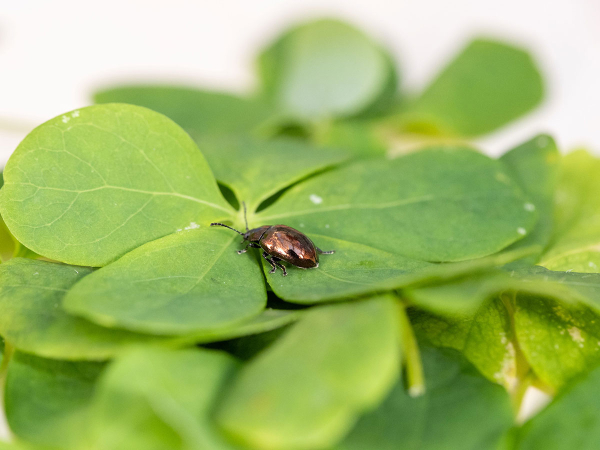
Late last year, Environment Southland applied for approval on behalf of the National Biocontrol Collective, with Manaaki Whenua – Landcare Research providing scientific support. Photo Credit: Manaaki Whenua Late last year, Environment Southland applied for approval on behalf of the National Biocontrol Collective, with Manaaki Whenua – Landcare Research providing scientific support. Photo Credit: Manaaki Whenua

Environment Southland is welcoming this week’s decision by the Environmental Protection Authority (EPA) to approve the release of Blaptea elguetai, a leaf‑feeding beetle that will help control the highly invasive Chilean flame creeper.

Environment Southland Biosecurity Team Leader Plants Jolie Hazley said the decision marks a significant step forward in managing pests within the region.

“Chilean flame creeper has become a significant threat to Murihiku Southland’s biodiversity. The EPA’s approval means we now have an environmentally responsible, long-term tool that will help reduce its impact across the region and beyond.”

Chilean flame creeper (Tropaeolum speciosum) spreads rapidly and smothers native vegetation. It is widespread in Southland, Otago, and Canterbury, and is increasingly found in parts of the North Island, and the Chatham Islands.

“Biocontrol agents give us another tool in the toolbox. They complement the more traditional control methods such as hand‑pulling and applying herbicides which can be labour‑intensive, can damage surrounding vegetation, and often fail to reach inaccessible areas.”

Late last year, Environment Southland applied for approval on behalf of the National Biocontrol Collective, with Manaaki Whenua – Landcare Research providing scientific support.

“Biological control is a well‑established and safe method for managing invasive weeds in New Zealand. We have already released biocontrol insects in Southland for broom, ragwort and thistles to help reduce the harm these pests cause.

“Biocontrol won’t eradicate the plant entirely, but it will reduce its vigour and spread to an acceptable level. This means healthier native ecosystems and less ongoing pressure on landowners and councils to control infestations,” Jolie Hazley said.

Environment Southland will now work with national partners to plan the next steps.

“We hope to release them in Southland soon and further releases will happen across Aotearoa New Zealand once further mass rearing has been done.”


More like this

Working with farmers to ensure best outcomes

OPINION: Recent media commentary from Southland Federated Farmers has raised concerns among our rural communities, particularly around Environment Southland’s approach to winter grazing inspections and nitrogen reporting. But let’s be clear, much of what’s been said simply doesn’t reflect reality.

Featured

Bridge Pā Table Grape Harvest Starts Weeks Early

Budou are being picked now in Bridge Pā, the most intense and exciting time of the year for the Greencollar team – and the harvest of the finest eating grapes is weeks earlier than expected.

Farmlands Posts Strong 2025 Half-Year Growth

Rural retailer Farmlands has released it's latest round of half-year results, labeling it as evidence that its five-year strategy is delivering on financial performance and better value for members.

Editorial: Trump's Tirade

OPINION: "We are back to where we were a year ago," according to a leading banking analyst in the UK, referring to US president Donald Trump's latest imposition of a global 10% tariff on all exports into the US.

National

Machinery & Products

» Latest Print Issues Online

The Hound

Penny Pinching

OPINION: A mate of yours truly reckons rural Manawatu families are the latest to suffer under what he calls the…

New Order

OPINION: If old Winston Peters thinks building trade relations with new nations, such as India, isn't a necessary investment in…

» Connect with Rural News

» eNewsletter

Subscribe to our weekly newsletter