Beef + Lamb NZ's Lambing Kit Checklist for a Tough Season
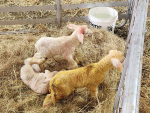
With lambing underway in many regions, Beef + Lamb New Zealand is encouraging farmers to put together a wellequipped lambing kit to help minimise lamb losses, particularly in bad weather.
 increase font size
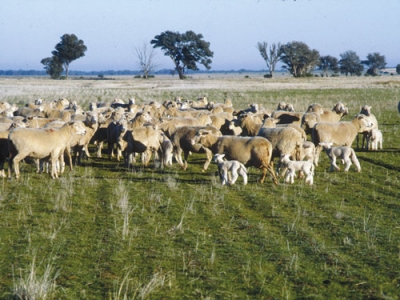 NZ sheep numbers are at their lowest since 1943.
New Zealand sheep now tally just 29.8 million – a number not seen since during the Second World War.
Statistics New Zealand figures released earlier this month for the year ended June 2014 show sheep numbers at their lowest since 1943, down almost a million on 2013.
“The number of sheep fell by 3% from 2013,” agriculture statistics manager Neil Kelly said. “The last time the sheep number was below 30 million was back in 1943.”
Canterbury had the sharpest fall, with 255,000 fewer sheep than the year before. Manawatu-Wanganui and Otago are now the largest sheep farming areas, each running 5.3 million.
Meanwhile, dairy cattle numbers rose by about 3% last year, due mainly to increases in numbers in the South Island, says Statistics NZ.
Southland dairy cattle numbers boomed, up 14% on 2013 figures.
But sheep numbers still easily outstripped dairy: with just under 7 million dairy cattle counted at the end of June last year, there were at least four times as many sheep.
With lambing underway in many regions, Beef + Lamb New Zealand is encouraging farmers to put together a wellequipped lambing kit to help minimise lamb losses, particularly in bad weather.
Will a stronger, more coordinated voice help rebuild confidence and improve returns in the wool sector?
A Mid-Canterbury dairy farmer is bringing a millennial mindset to his family farm and is reaping the rewards, with a 50% uplift in milksolids production since he took over.
The vineyards at Pyramid Farm in Marlborough’s Avon Valley have never been run of the mill, with plantings that follow the natural contours of the land, 250 metres above sea level.
Sheep and cattle numbers continue to decline, and this year's drought hasn't helped, according to Beef + Lamb New Zealand (B+LNZ).


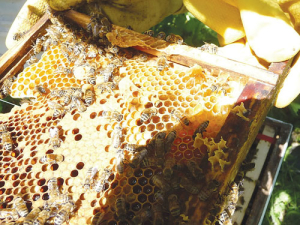
New Plymouth-based Manuka honey exporter Egmont Honey has completed its acquisition of Taihape beekeeping business Tweeddale's Honey, with settlement finalised on Friday, 18 September.

Westpac NZ is calling on farmers and growers to start preparing now for the possibility of a dry summer, as likely El Niño conditions raise the risk of drought across parts of the country.
Fonterra Co-operative Group has confirmed the independently assessed candidates standing for election to its board in 2026.
Fonterra has revised its Farmgate Milk Price forecast for the 2026/27 season, lifting the midpoint and narrowing the range on the back of improving global dairy commodity prices.
New Zealand's citrus growers were challenged to build their future on the value embedded in their fruit rather than the volume they produce, at Citrus New Zealand's annual gathering in Gisborne on 17 September.
Leading John Deere technicians and apprentices from New Zealand and Australians were recognised at the recent sixth annual JD Technician of the Year Awards, held in Brisbane.