Potatoes New Zealand Celebrates Milestone Amid Grower Pressures
Potatoes New Zealand is reflecting on its legacy of innovation, resilience and a commitment to growers as it gets ready to mark its birthday on 17th April.
 increase font size
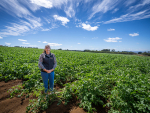
 Bruce Rollison balances life as a grower and HRC councillor.
Farmers and Horizons Regional Council were for years at each other’s throats over the infamous One Plan and the council’s stance seen by some as anti-farming.
But the row has died down as some staff and councillor changes – plus work by DairyNZ, Horticulture New Zealand and Federated Farmers – have brought the council to its senses to implement One Plan, with all its imperfections, in a practical way.
Helping in that change is Bruce Rollison who with his wife Stephanie grows vegetables near Ohakune in the shadow of Mt Ruapehu. He is also one of the new people at the table at Horizons Regional Council – a first time councillor representing the Ruapehu Ward.
Rollison says today staff, councillors and farmers work positively to find practical solutions, especially in priority catchments where there is intensive dairying and commercial growing.
“They’re meeting regularly so that the steps Horizons executive and staff are taking have practical understanding of farmers’ needs,” he told Rural News.
“That’s the key point – understanding the practicality of farming and weighing up whether regulations do or don’t fit in a particular area. The aim is to allow the farmer to maintain and build their business and for Horizons to ensure the regulatory framework of One Plan is adhered to and that the environmental outcomes are positive.”
As a regional councillor Rollison is required by law to act in the best interests of the region – not just a particular sector. At the same time, he and other councillors bring their own expertise to the debate. Rollison says, as a grower, he listens carefully to what others have to say and makes sure that when he speaks he takes the interests of others into consideration.
“I am not going to put up a debate that is so left- or right-field that someone could say, ‘hey Bruce that was a ridiculous statement and you are not taking into account these other issues’. You have to maintain the professionalism of upholding standards while ensuring that progress can happen.”
Rollison says even before One Plan was unveiled, many farmers were adhering to strict environmental codes and good agricultural practices. He believes this is why there was a lot of ‘push back’ to One Plan, with farmers questioning the need for more regulations. He says the authors of One Plan should have taken more notice of this and their failure to do so helped cause the impasse between the council and farmers.
But Rollison says this is now history and the focus is on making the plan work and trying to reduce the red tape for farmers working positively on environmental issues.
He adds that many councillors think, for example, if a dairy farmer is monitoring the environmental plan on his farm, why have three organisations call to check on him?
“So we are moving to a point where those farmers who are showing a good adherence to One Plan could be doing something of a self-audit. But if there is someone not adhering to the rules and there are issues then Horizons will continue to monitor them.”
Potatoes New Zealand is reflecting on its legacy of innovation, resilience and a commitment to growers as it gets ready to mark its birthday on 17th April.
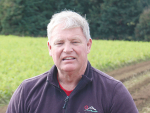
Commercial grower Bruce Rollison says he's spending a lot of time dealing with existing regulations and planning to deal with new ones that keep appearing.
Applications have now opened for the Horizons Regional Council Don Linklater Memorial Bursary.
Federated Farmers says it is pleased that Horizons Regional Council (Manawatu-Whanganui) has recognised the need to get work done on-farm by empowering them to fix infrastructure without getting consents.
After more than a decade of at times acrimonious wrangling, it seems that peace is breaking out on how to manage the environment in the Manawatu, Whanganui and Rangitikei districts.



Three men have been sentenced in District Courts after Ministry for Primary Industries prosecutions over animal welfare, food safety and cattle tracing offences.
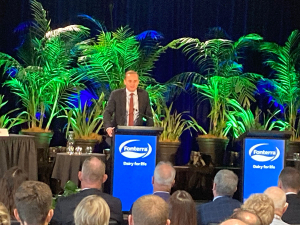
Fonterra’s 2026 financial year was a year of delivery, with record volumes of milk collected, processed and shipped by the co-op.
OPINION: The Government's decision to reinstate agriculture and horticultural science as a standalone subject from Year 11 is the right one.
Dairy farmers, still holding onto their Fonterra shares despite switching milk supply elsewhere or exiting the industry, now face a stricter share sell-down requirement.
Hamilton-based agritech company Aimer Farming has completed a $3 million capital raise to support its next stage of growth, including a beef farming product due to launch in 2027.
When dairy manager Miriam Lauridsen learned the farm, she was joining held weekly health and safety meetings, she initially thought that was “a bit over the top”. Experiencing that culture changed her mind.