El Niño Warning: NZ Farmers Urged to Plan Fert Early
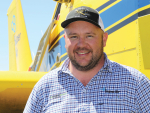
Plan ahead and be patient. That’s the message to farmers and horticulturalists from the chairman of the NZ Agricultural Aviation Association, Kent Weir.
 increase font size

Kiwi company Ravensdown's cooperative model it is the way of the future for growers in Australia, says chief executive of Australian agriculture's influential Queensland Cane Growers Organisation (CANEGROWERS).
In the latest CANEGROWERS magazine, chief executive Steve Greenwood (pictured) is full of praise for the way Kiwi farmers operate, saying New Zealand punches above its weight internationally in farming (and in sport)
"The more I have to do with these neighbours of ours, the more my admiration grows," Greenwood says in his editorial. "On a per capita basis they outperform most countries and I include Australia in that comparison."
Greenwood says a key area for New Zealand's success is because Kiwi farmers have learned the value of working together to achieve common goals. He cites the wide use of cooperatives in New Zealand agriculture as an example of this.
"They (New Zealand farmers) manage their input costs through cooperatives, the most notable being Ravensdown. New Zealanders know that by working in partnership the individual benefits are greater."
It's a model Greenwood wants to see taken up more in Australia.
"One of the biggest areas of concern expressed by sugarcane growers is ever-increasing input costs of fuel, fertiliser, water, chemicals and electricity. These issues are going to be a major focus for CANEGROWERS in the coming year and, among a range of options, we will be exploring the potential for cooperative action."
Greenwood says more cane growers need to take up the option of the Ravensdown cooperative in Australia.
"CANEGROWERS worked tirelessly to achieve lower fertiliser prices for the sugarcane industry by the introduction of Ravensdown to our market, and it worked. One simple step that all growers should take to reduce costs and achieve better financial outcomes is to take advantage of the deals available through Ravensdown.
"Let's show the Kiwis that, while we often struggle to match them on the rugby field, we are smart enough to work together to lower costs and achieve better returns."
Ravensdown chairman Bill McLeod says that during a period of several years, nearly all Queensland rural cooperatives were snapped up by corporates who set prices with one eye on their shareholders' dividends. "When CANEGROWERS invited us across the Tasman four years ago, the excitement and enthusiasm was like the first days of the gumboot takeover in New Zealand. There's no danger of them taking their cooperative for granted!"
Plan ahead and be patient. That’s the message to farmers and horticulturalists from the chairman of the NZ Agricultural Aviation Association, Kent Weir.
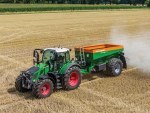
Amazone's ZG-TX combi spreader has been updated with several new features, centred around improved accuracy and easier operation.
When it comes to annual rebates, it's been a long time between drinks for Ravensdown shareholders.
Ravensdown has reported a net profit before tax and rebate of $50.1 million for the year ended 31 May 2026.
A new digital assistant is now helping Ballance Agri-Nutrients farmers speed up nutrient information and ordering.


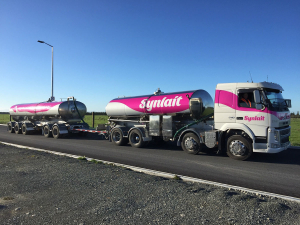
Synlait has swung to second-half profit as operations stabilise, but the dairy processor still posted a $75.4m annual loss.

LIC shareholders have elected a new North Island representative to the co-operative's Board, along with five representatives to its Shareholder Reference Group (SRG), following the company's Annual Meeting held in Invercargill.
Farmers across parts of Southland and South Otago are continuing to deal with difficult conditions after a prolonged run of wet weather, with pressure building around feed supply, stock management, pasture damage, farm infrastructure and everyday workloads.
Federated Farmers says it welcomes Labour's commitment to reviewing the Sharemilking Agreements Act, calling on other major parties to do the same.
For Canterbury dairy farmers Sian Meijer and Rick Wobben, wearable technology has become one of their most valuable on-farm tools - helping manage 1850 cows across an expansive, high-performing dairy operation while improving efficiency, mating outcomes and day-to-day decision making.
Fonterra has unveiled its annual results for the 2026 financial year, posting $27 billion in revenue and close to $20 billion returned to New Zealand farmer owners and unit holders.




