Rural Contractors Urged to Renegotiate Contracts as Fuel Prices Surge
Rural contractors are getting guidance on how to deal with recent rising fuel prices.
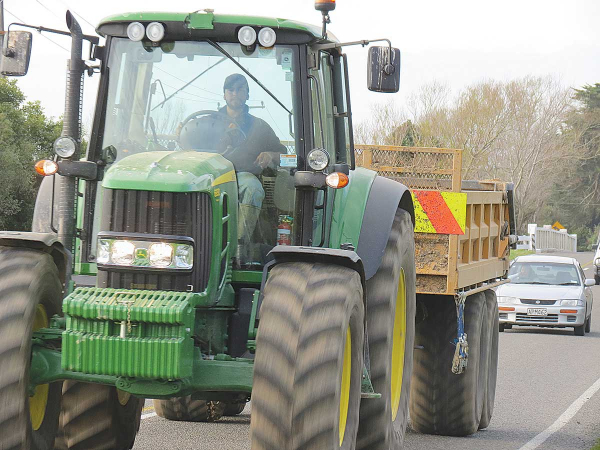
NZ rural contractors bring in overseas operators every spring from Europe, UK and the US to supplement local operators in harvesting crops and silage.
A retired Northland farmer and machinery driver says rural contractors must take some blame for the current shortage of skilled operators.
An estimated 28 million tonnes of crop worth $110 million will be at risk if overseas machinery operators are not allowed into the country, according to a survey by Rural Contractors of NZ.
The Bay of Island farmer, who preferred his name not to be used with this article, says contractors should stop moaning and reflect on what they have done to encourage and train local operators.
“These contractors want to pay minimum hourly rates and expect staff to work over a standard 13-hour day as the crop has to be harvested,” he told Rural News.
“I am available but I am not succumbing to slave labour or feeling guilty for asking for a fair and reasonable pay rate.”
Rural Contractors NZ executive director Roger Parton says if contractors charge farmers more, they end up looking for cheaper contractors.
Parton says recruiting and training young people for driving jobs in agriculture hasn’t been easy.
“Working in rural areas doesn’t appeal to young people; there is no broadband, they can’t use their phones and there’s no corner dairy for them to buy their lunch.”
Developing pasture species that enable farm animals to produce less biogenic methane and nitrous oxide is a critical tool in NZ's quest to reduce greenhouse gas emissions (GHGs).
DairyNZ chief executive Campbell Parker says the winners of this year’s New Zealand Dairy Industry Awards are leading the way in productivity, sustainability and profitability.
A dinner, debate and auction event with a difference held for the first time in 2025 is back by popular demand to celebrate the start of Fieldays 2026.
Federated Farmers has been urged to consider establishing a policy on artificial intelligence (AI).
As the Agri Women’s Development Trust (AWDT) begins the process of winding down, the organisation’s general manager Julia Jones says there’s still a place for its programmes within the industry.
Southland farmers staring down a May deadline to submit freshwater farm plans under current regional plan rules have been given an 18-month reprieve by the Government.