New Zealand beef and dairy farmers can now take part in a programme to produce high-value marbled beef for premium markets, both domestically and offshore.
Ministry for Primary Industries Director-General Wayne McNee announced approved funding for the new programme through the government's Primary Growth Partnership (PGP). Hawke's Bay companies Brownrigg Agriculture and Firstlight Foods are running the programme.
The PGP is committing $11 million over seven years, for a programme worth $23.7 million in total.
"The programme aims to put New Zealand marbled beef 'centre of the plate' in much the same way as New Zealand lamb is in key international markets," McNee said in announcing the co-investment at the Red Meat Sector Conference in Queenstown.
"We want foodies to actively seek out New Zealand marbled beef because it consistently delivers on taste and tenderness and embodies consumer beliefs and lifestyles."
Marbling, the distribution of fat through meat, is the primary determinant of quality in table beef in international markets such as Japan, China and the United States.
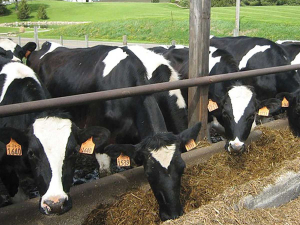
Internationally, such high quality beef is produced mainly from cattle housed in pens and fed grain.
To produce a comparable meat fed off New Zealand grass, the new PGP programme will combine high-marbling cattle genetics with New Zealand's strengths in pastoral agriculture.
McNee says the programme aligns well with the Red Meat Sector Strategy.
"This programme will produce unique New Zealand high-value beef for discerning consumers. It will link specialists in dairy farming, cattle breeding, finishing, processing and marketing, and deliver market signals effectively right through the value chain," he says.
David Brownrigg, managing director of Brownrigg Agriculture, said it will be a significant opportunity for beef and dairy farmers to lift the quality and value of their calves and finished cattle.
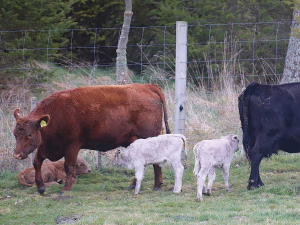
"The New Zealand dairy sector represents an underutilised resource for producing quality beef calves. Brownrigg's Wagyu crossed with 'Kiwi' dairy cows and Angus beef cows will produce outstanding beef and help us lift our game in international markets," Brownrigg says.
Gerard Hickey, managing director of Firstlight Foods believes the opportunity will revitalise the beef industry.
"Instead of being price-takers on the day, a planned marketing programme to selected high-end global customers will enable beef farmers to build their businesses with confidence," Hickey said.