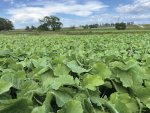
New Reviva Forage Rape Wins Over Dryland Farmers in First Year
It's only just hit the market, but a new forage rape bred for dryland farms has already won the approval of lambs and young cattle both north and south.




 increase font size
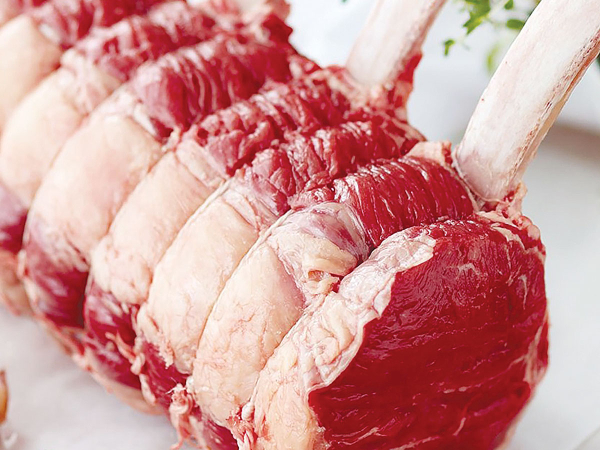 Beef and lamb prices have risen over the past four months, with beef up 16% and lamb up 21%.
Could there finally be positive news for the red meat sector after a period of challenging economic conditions?
According to the latest Bank of New Zealand (BNZ) Rural Wrap report, the answer is maybe.
The report states that beef and lamb prices have risen over the past four months, with beef up 16% and lamb up 21%.
“We say this not to suggest that prices are strong, far from it in lamb’s case, but rather to acknowledge some changing dynamics of late,” the report states. “Rising prices at this time of year is not unusual, but the gains over recent months have been a bit more than normal.”
According to the bank, part of the price gain is due to a tightening domestic supply, as evidenced by recent strength in store markets. However, there have also been pockets of price improvement on the export market.
“In NZ, lamb and cattle slaughter numbers have dropped significantly below year earlier levels, tightening local supply and putting upward pressure on prices.”
The report states that an early kill, especially for lamb, saw slaughter numbers for both lamb and cattle tracking around a third below figures for a year earlier in July.
Despite the price rises, beef and lamb find themselves in two different positions from a historical perspective.
Lamb prices are low and are currently approximately 13% below their five-year average. Meanwhile, beef prices are at record levels, about 14% above their fiveyear average.
It's only just hit the market, but a new forage rape bred for dryland farms has already won the approval of lambs and young cattle both north and south.

Chinese beef trade quotas and a looming suspension of Brazilian beef imports into the European Union are expected to reshape global beef trade flows over the remainder of 2026, with implications for New Zealand exporters, according to Rabobank's Q3 Global Beef Quarterly report.
New Zealand consumers are paying more for beef mince than ever before, with the average retail price now sitting above $24 per kilogram, according to Rabobank.
Bovine Viral Diarrhoea (BVD) is sometimes viewed as a dairy industry issue, but the reality is that the disease can have serious consequences for beef breeding herds as well.
When Simon Hales discovered triple drench resistance on his Weber farm, it was a catalyst to fast-track farm system change.


Federated Farmers says it welcomes Labour's commitment to reviewing the Sharemilking Agreements Act, calling on other major parties to do the same.
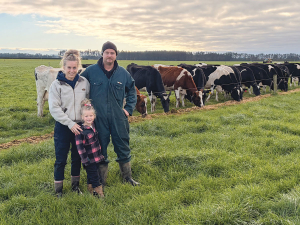
For Canterbury dairy farmers Sian Meijer and Rick Wobben, wearable technology has become one of their most valuable on-farm tools - helping manage 1850 cows across an expansive, high-performing dairy operation while improving efficiency, mating outcomes and day-to-day decision making.
Fonterra has unveiled its annual results for the 2026 financial year, posting $27 billion in revenue and close to $20 billion returned to New Zealand farmer owners and unit holders.
The first major update to the Dairy Cattle Code of Welfare in more than a decade has been released, marking what DairyNZ describes as an important step in ensuring animal welfare standards continue to evolve alongside scientific evidence and on-farm realities.
Ravensdown shareholders have elected Jane Montgomery and Kate Acland to the Ravensdown Board for three-year terms, following a closely contested director election.
Federated Farmers says new legislation replacing the Resource Management Act will cut red tape, unlock investment and help grow New Zealand's export-led economy, after the Planning Bill and Natural Environment Bill passed their third reading in Parliament yesterday.





OPINION: The same mainstream media muppets that brought you Jacindamania in 2017 have been flat out pimping for the Opportunities…
OPINION: Your old mate reckons the atrocious way farmers in the UK are treated by their lords and masters in…




