Mark Hooper Joins NZPork Board as Independent Director
Rural leader Mark Hooper has been appointed as an independent director to the NZPork board, bringing extensive farming, governance and advocacy experience to the role.
 increase font size
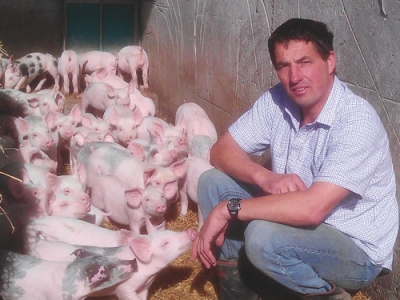 NZPork chair Ian Carter says those staying in the industry are getting better.
Pig kill for the last financial year was 12,000 less than budgeted for by NZPork, showing the continuing consolidation in the industry.
However, those staying are getting better production and are more professional in producing pig meat, NZPork chair Ian Carter told Rural News.
The total pig kill in the financial year to September 30, 2014 was 672,108 compared to 681,540 for 2012-2013. But while pig kill is down, pig production has actually increased which shows farms are becoming more productive and pigs are getting bigger. In 2013-2014, 47,646 tonnes were produced compared to 47,201 tonnes the previous year.
Carter says it “isn’t ideal” for an industry to be in a decline but the industry is becoming very specialised. At least 52% of the product now is imported.
“The rest of the world is feeding more New Zealanders with pig meat than the New Zealand farmer is. It is not a trend I am overly happy about.”
Producers in New Zealand now have to have certain scale to be cost effective and meet all the regulations, he says.
“We have fewer producers, but they have also had an increase in the average weight. The cost to produce a larger animal is not significantly greater than a smaller animal,” Carter explains. “All the overheads are in there, you can spread it over greater kilograms of meat from the farm and then there are efficiencies in the system with the handling of a slightly heavier carcase.”
New Zealand still has a very low average carcase compared to the rest of the world. Overseas the carcase is cut up similar to a cattle beast into more modern cuts but New Zealand consumers still tend towards roasts, chops and bone-in products. That is the consumer preference but attitudes are changing.
“Getting into more modern cuts is certainly the objective of the industry,” he says.
While declining numbers of pig farmers is a worry, Carter says he is more concerned about the producers they lose. “We come under a fair amount of scrutiny. I am a lot more confident because the base that is left is a lot more professional and specialised in producing pig meat for the New Zealand consumer.”
He says the industry adopts innovative practices and exceeds global standards in most areas. They produce solely for the domestic market and “our neighbour is the consumer and the need for our neighbour to have confidence in us is critical to us”.
NZPork is looking at better cuts and consistently improving quality, transparency of the industry’s production systems, giving consumers choices and getting consumers to have confidence in New Zealand production system.
“We are proud of where we are compared to the imported product but it is just getting that consistent messaging across.”
Relations thaw with MPI
Since its long-standing legal action ended last year, NZPork is making better progress on negotiations with MPI over import health standards (IHS), NZPork chairman Ian Carter says.
The court case against MPI by NZPork over the introduction of new IHS lasted for a few years but ended in 2013 when the industry lost its appeal in the Supreme Court, Carter says in his report.
Getting free of legal entanglement is allowing the industry-good body to work with MPI on risks presented by the IHS.
“Together we are investigating how to effectively gather information that will help us to understand and manage the risk.” The product entering under the new IHS is being monitored by MPI.
Rural leader Mark Hooper has been appointed as an independent director to the NZPork board, bringing extensive farming, governance and advocacy experience to the role.

As the cost-of-living crisis continues to put pressure on household grocery budgets, new figures show pork remains one of the most affordable fresh meat options for New Zealand families.
Testing confirms H5 bird flu in a single northern giant petrel, found dead on a remote Cape Palliser beach in the Wairarapa, says Dr Mary van Andel, the Ministry for Primary Industries' (MPI) Chief Veterinary Officer.
The apple sector is working with the Government to unlock access to two key markets that could bring millions in revenue for apple growers.
OPINION: A simpler, clearer, more effective Recognised Seasonal Employer (RSE) scheme.


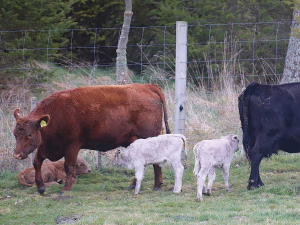
A major move is about to get underway to improve the quality and viability of dairy beef and cattle in NZ.
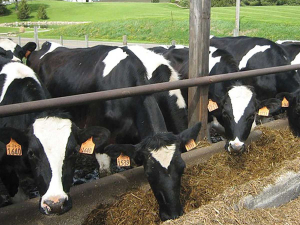
Veterinarians say changes to the code of welfare for dairy cattle provides a positive foundation for improved cattle welfare across the country.
Today, 15 October, is the International Day of Rural Women, which recognises rural women’s contribution to farming, communities and the environment.
Global dairy giant Lactalis has integrated its Australian operations with the Mainland Dairy consumer business it acquired from Fonterra earlier this year.
After almost two decades of sharemilking, saving and building equity, Aaron and Marcia Flay this year realised their long-held dream of settling on their first dairy farm.
Good medium to long term prospects for NZ beef, especially in the US, has heighted the focus on various initiatives to capitalise on this situation.