NZ Red Meat Exports Hit $867m in August, Up 23%
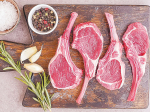
New Zealand's red meat and fifth-quarter exports reached $867 million in August, up 23% on the same month last year, as stronger returns lifted earnings across all major markets.
 increase font size
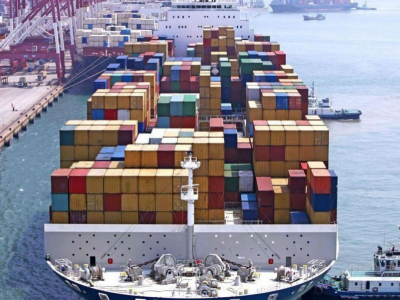 Primary exports are achieving record-breaking results.
New Zealand’s primary sector exports continue to surpass expectations with revenue reaching a record $46.4 billion, up 8.7% on the previous year.
Minister of Agriculture and Minister of State for Trade and Export Growth, Damien O’Connor, today released the latest Situation and Outlook report for the Primary Industries, revealing figures for year ending June 30, 2019.
“This latest report shows some absolutely outstanding, record-breaking results,” he says.
Total dairy export revenue is up 8.7% to $18.1 billion.
“That’s a $1.47 billion increase, which is just staggering, and the sector appears to be set up for another favourable production season,” says O’Connor.
For the year ending June 2020 horticulture revenue is forecast to rise 3.8%, seafood exports is expected to rise 5.5%, meat and wool prices remain near record highs with strong international demand and prices for red meat products are expected to remain at near-record highs for the near future.
“Our nation’s farmers and growers produce some of the highest quality food in the world – and the world knows it. They are bringing home record export returns and that’s something for them to be really proud of. I’m certainly very proud of them,” says O’Connor.
“The Government is committed to supporting and partnering with the primary industry – we’re halfway through our term and the industry is hitting its stride because we’re working together to extract value.
“We’re a trading nation and the Government has an ambitious trade agenda. We’re working hard on opening up the world’s largest economies to our primary exports.”
O’Connor says last week he was in Thailand attending a Regional Comprehensive Economic Partnership (RCEP) Ministerial meeting, as negotiations enter the final stages.
When concluded, the RCEP Agreement will anchor New Zealand in a regional agreement which covers 16 countries, almost half the world’s populationand markets that take more than half our total exports. It will also provide us a free trade relationship with India, a fast-growing economy with a GDP of more than $2.6 trillion in 2018.
“Trade negotiations with the EU and updating our FTA with China are also priorities,” he says.
“Outside of our trade agreements, the Government is also working with NZ exporters to help resolve specific barriers to trade that they might face in overseas markets.
“While export revenue for the season that’s just started is forecast to drop by about half a percent, prices are expected to stay high for most products
“To our farmers and growers I say – you are the backbone of our economy are you’re at the heart of our rural communities. This Government appreciates you and we’re behind you. These results are down to your hard work – congratulations”.
New Zealand's red meat and fifth-quarter exports reached $867 million in August, up 23% on the same month last year, as stronger returns lifted earnings across all major markets.

Meat Industry Association data, released alongside the Red Meat Sector conference in Wellington, shows export value climbing across the US, China, UK and Canada.
OPINION: The stats speak for themselves.
A miserable budget that didn’t deliver much for anyone.
New Zealand exports to the European Union have surged by $3 billion in two years under the New Zealand-European Union Free Trade Agreement.


Federated Farmers has welcomed new rural policies released by ACT, saying they align closely with its own election priorities.

Rural Contractors NZ says proposed changes to land transport rules for agricultural vehicles are a welcome response by the Government to out of date regulations which have seen members hit with huge fines.
Alliance is calling for final applications for its 2027 Graduate Programme, with applications closing on Sunday 25 October.
Decades piloting planes has ensured vet and farmer David Hayes is focused on safety. So, after a serious accident while welding on farm, he is sharing his experience so others can learn from it.
Canterbury milk processor, Synlait Milk has confirmed Leon Fung as its chief executive officer.
OPINION: Making it easier to collect rainwater and use it to grow crops and livestock is a no brainer.