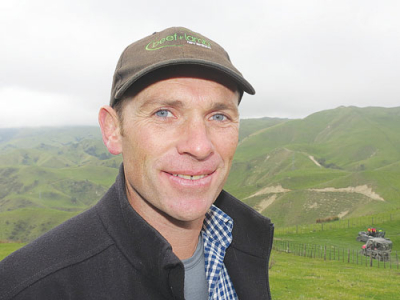
Beef + Lamb NZ chair James Parsons sees forestry as a potential fishhook in the new coalition agreement.
Tree planting appears in many places in the agreement and while Parsons agrees there is a place for this, he has reservations.
“There is a place for trees, but not at the expense of productive hill country farmland. We will be urging the new Government to recognise what sheep and beef farms already contribute to carbon sequestration – through shelter belts, wooded gullies, and permanent pastures – before looking to sheep and beef farmers to retire productive land into forestry.”
Parsons says news that the proposed water tax is off the agenda is good for farmers who rely on irrigation. But he says BLNZ will continue to play a part in the water debate to keep such a tax off the agenda for the next three years.
And he warns that while BLNZ supports freshwater quality improvement, there is a risk of a ‘one-size-fits-all’ approach.
“BLNZ will continue to develop and promote an approach to improving freshwater quality based on identifying and managing the specific issues faced onfarm or in a catchment. We need to act to make a difference, not enforce uniform requirements that ‘everyone has to do’.”
Parsons sees scant mention in the coalition agreement of trade, in particular links between foreign ownership in NZ and trade. He says the issue needs to be carefully thought through so that any new policy does not jeopardise our FTAs.
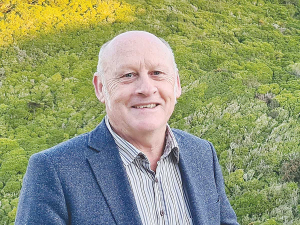
Meanwhile DairyNZ’s chief executive Tim Mackle says he’s looking forward to working with the new ministers on key issues facing the dairy sector.
He says the new Government is promoting a new direction for the country at a time when the dairy sector also faces a new and exciting future.
“The decade ahead will be transformational for the dairy sector. We have a strong mandate to concentrate on productivity – to produce more from less, and to do so sustainably. We support initiatives that incentivise farmers to use the best environmental practices.
“We’ve been openly welcoming the discussions on water, and we know agriculture has a role to play in ensuring New Zealand meets its climate change targets,” he says.
Mackle says government and dairy need to work together to identify what an emissions reduction pathway looks like before identifying what the right policy is to implement the change.
“We are confident that with Mr O’Connor’s thorough understanding of the issues facing the dairy sector we will continue the good work already underway with the Government to ensure a productive and sustainable primary sector,” he says.