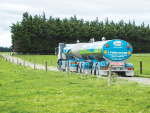
Fonterra FY26 Results: $9.69 Milk Price, $3.4bn Profit
Fonterra has unveiled its annual results for the 2026 financial year, posting $27 billion in revenue and close to $20 billion returned to New Zealand farmer owners and unit holders.
 increase font size
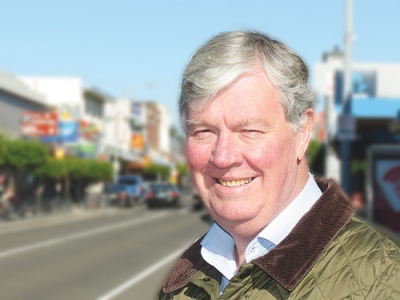 Tararua District mayor Roly Ellis.
Tararua District Council is pledging to keep any rate rise in the coming year to below 2% as the downturn in the dairy industry hits.
Mayor Roly Ellis says dairying is a major component of the local economy and he's seeing the start of problems arising from the dairy downturn.
Tararua District includes four major rural towns: Dannevirke in the north; and Woodville, Pahiatua and Eketahuna in the south. Fonterra has a big factory at Pahiatua.
The district also has other farming-related businesses in its towns, including agricultural machinery production.
Ellis says the region has about 350 dairy farms, and their cashflow -- and that of the businesses that service them – is a big chunk of the money that circulates in Tararua. But the downturn has changed this.
"Dairy farmers aren't spending huge amounts in shops or the agricultural service businesses. I walk the towns about every three months to find out what's going on and talk to the shopkeepers and agri service businesses," he told Rural News.
"I have been a farmer myself and was a rural drought coordinator here in 2007-2010. I am a trustee to a big farming enterprise and so keep my ear to the ground."
Ellis says he has not so far heard of any dairy farmers forced to sell up, but he and the council are keeping a close watch on what's happening, hence the cap on rates.
What worries Ellis most is the predicament facing sharemilkers, especially lower order ones. They are vulnerable and subject to some of the problems now starting to show up.
"What has happened all over the world -- I have seen this in Britain where I farmed -- is that you go through highs and lows, and during the highs everyone gets wonderful ideas.
"In fact, the dairy farmers haven't had a check like this for years and years and they have suddenly realised they now have to become more efficient. Efficiencies are going to come in, I am absolutely sure of that. People who have been spending liberally until now are suddenly facing this check in what they can do."
Ellis says this has happened in the sheep and beef sector and farmers now better understand where the dollar has to be spent. He's been through this and admits it hurts like hell, but farmers go on to look at different ways of running their businesses.
Ellis says his council is monitoring the dairy downturn.
Fonterra has unveiled its annual results for the 2026 financial year, posting $27 billion in revenue and close to $20 billion returned to New Zealand farmer owners and unit holders.
Fonterra Co-operative Group has confirmed the independently assessed candidates standing for election to its board in 2026.
Fonterra has revised its Farmgate Milk Price forecast for the 2026/27 season, lifting the midpoint and narrowing the range on the back of improving global dairy commodity prices.
Outgoing Fonterra Co-operative Council chair John Stevenson says that it has been a privilege to represent the co-op's farmer shareholders.
OPINION: It seems Canterbury processor Synlait is still in the doldrums.


Federated Farmers says it welcomes Labour's commitment to reviewing the Sharemilking Agreements Act, calling on other major parties to do the same.
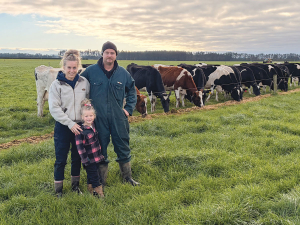
For Canterbury dairy farmers Sian Meijer and Rick Wobben, wearable technology has become one of their most valuable on-farm tools - helping manage 1850 cows across an expansive, high-performing dairy operation while improving efficiency, mating outcomes and day-to-day decision making.
Fonterra has unveiled its annual results for the 2026 financial year, posting $27 billion in revenue and close to $20 billion returned to New Zealand farmer owners and unit holders.
The first major update to the Dairy Cattle Code of Welfare in more than a decade has been released, marking what DairyNZ describes as an important step in ensuring animal welfare standards continue to evolve alongside scientific evidence and on-farm realities.
Ravensdown shareholders have elected Jane Montgomery and Kate Acland to the Ravensdown Board for three-year terms, following a closely contested director election.
Federated Farmers says new legislation replacing the Resource Management Act will cut red tape, unlock investment and help grow New Zealand's export-led economy, after the Planning Bill and Natural Environment Bill passed their third reading in Parliament yesterday.




