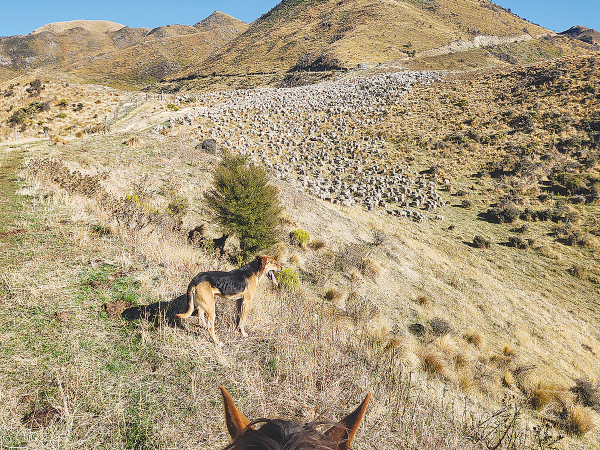
Despite recent rain, drought is forcing Hurunui farmers into some difficult decisions, says Federated Farmers North Canterbury provincial meat and wool chair, Sara Black.
Black, who farms sheep and beef on Marble Point Station, between Culverden and Hanmer Springs, said near continuous rain over the past couple of weeks had brought up to 50mm across the Hurunui district, which was “fantastic”.
She said it had been a long, dry summer and the recent rain was probably the most people have had since mid-December.
“But unfortunately, because the summer heat has left us, we won’t be getting the benefit of any growth from that anytime soon.”
Sheep farmers were now scanning but, with feed very short, were having to make hard decisions as to which stock to keep. Some farmers were culling multiples because they might not be able to look after them.
“Usually they’ll be the best looked-after stock on your farm because they’re the most productive,” she said.
“But this year, I think some people will be getting rid of those.
“They’ll be getting rid of those ewes with multiple lambs inside, or anything that’s late or in poor condition. They will be looking to cull it on, so that they can look after the ewes that they are keeping as best they can.”
It was a hard decision because this was the point that farmers work the whole year for.
“You’ve got to think ahead about lambing time and the next six months after that.”
The Feds’ provincial president Karl Dean said the situation was still “pretty dire” for the sheep farmers of the Hurunui.
“It’s too late to help with the feed situation now but any moisture in the ground will help with a spring flush.”
“It’s too late to help with the feed situation now but any moisture in the ground will help with a spring flush.”
Destocking was “not the ideal situation” but hopefully people could destock and get some more normal weather through July.
A lot of snow up in the hills or some good constant rain was still needed, said Dean.
“For the dairy side of it, every bit of water will help to fill up the aquifers as they need to recharge before irrigation season can start again.”
Dean, himself a dairy farmer near Te Waihora/Lake Ellesmere, also runs some sheep on a dryland block. He says feed is short there, but the dairy side of his operation is fine because of irrigation.