
Ravensdown Elects Montgomery, Acland to Board
Ravensdown shareholders have elected Jane Montgomery and Kate Acland to the Ravensdown Board for three-year terms, following a closely contested director election.
 increase font size
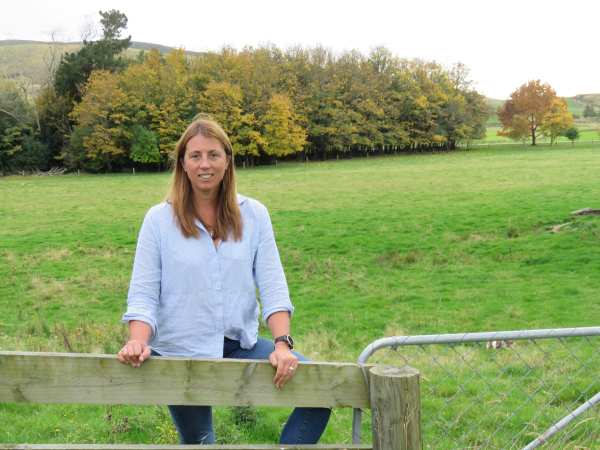 Beef + Lamb NZ chair Kate Acland.
The red meat sector is adopting the New Zealand Government’s ‘wait and see’ approach as it braces for the second Donald Trump presidency in the US.
With trade tariffs likely to be high on the incoming administration’s agenda, Beef + Lamb New Zealand says its closely monitoring developments in one of its most valuable markets.
It notes that Trump made campaign comments about increasing trade tariffs, but it's unclear how these will translate into policy when he takes office on January 20.
“For now, B+LNZ supports the New Zealand Government’s ‘wait and see’ approach,” it says.
B+LNZ says that thanks to its trade and relationship manager Jason Frost, based in the US, its well-positioned to stay informed of any developments.
“Frost’s strong industry connections ensure we receive timely insights,” B+LNZ says.
Additionally, B+LNZ chair Kate Acland will be heading to the US early next year to strengthen partnerships and ensure the New Zealand red meat industry’s interests remain front and centre.
“The US is an incredibly important market for us – it’s our largest beef market, second-largest lamb market, and currently our largest red meat market overall,” says Acland.
“Over 85% of our beef exports to the US are lean cuts that blend with fattier American beef to create the ground beef essential to the iconic American burger. This blend supports both countries by meeting consumer demand while keeping costs steady for US consumers and farmers.”
Currently, New Zealand beef exports benefit from a WTO-specific tariff rate quota, allowing 213,402 tonnes of beef and veal to enter the US each year at a lower tariff rate (primarily US 4.4c/kg). Exports above this quota face a much higher tariff of 26.4%, which applies to competitors without similar preferential access under a WTO quota or Free Trade Agreement.
Other New Zealand red meat products face Most Favoured Nation (MFN) tariff rates, which vary by product. For instance, wool can face up to a 25% tariff, while pet food has no tariff.
“We work closely with the New Zealand Government and officials on these issues,” says Acland.
“While our focus is on building and strengthening key relationships in the US, we also know that New Zealand exports to over 100 markets and that gives us options; exporters are good at adapting to meet demand.”
B+LNZ says it will keep farmers updated as more information becomes available.
“We understand the US market's importance to farmers and are committed to maintaining our strong position to meet American demand.”
Ravensdown shareholders have elected Jane Montgomery and Kate Acland to the Ravensdown Board for three-year terms, following a closely contested director election.

Beef + Lamb New Zealand (B+LNZ) says it welcomes the passage of the Natural Environment Bill and Planning Bill, calling the bills a positive step for sheep and beef farmers.
Farmgate lamb prices are down by 8%, beef cattle by 4.5% and farm expenditure up by 4.2%.
Red meat farmers are welcoming Labour’s plan to review the Emissions Trading Scheme and not to campaign on pricing agricultural emissions.
New Zealand's Emissions Trading Scheme (NZ ETS) encourages afforestation while not achieving climate goals, says a new report released by the Parliamentary Commissioner for the Environment, Simon Upton.


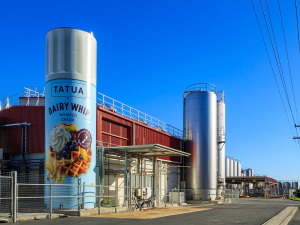
Waikato milk processor Tatua has again declared a record milk payout to farmer shareholders, leaving other processors in the dust.
A Labour-led Government won’t be bringing back the controversial freshwater rules of 2020.
National’s much-touted free trade deal with India featured in the Rural Issues Debate at Mystery Creek, Hamilton on Wednesday night.
New Zealand's 2026-27 freshwater fishing season has opened, with anglers encouraged to head to rivers and lakes over the coming days as conditions look favourable across much of the country.
Central Otago District Council (CODC) has voted against a plan to spread treated sewage sludge from Cromwell and Alexandra on farmland near Lauder, a decision Federated Farmers says reflects strong opposition from rural residents.
Pāmu has released its FY26 Integrated Annual Report, reporting a Net Operating Profit of $113 million, more than double the $49 million recorded in FY25.