DairyNZ chair wants cross-party deal
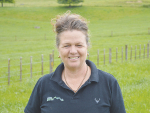
New DairyNZ chair Tracy Brown says bipartisan agreement among political parties on emissions pricing and freshwater regulations would greatly help farmers.
 increase font size
 HWEN says a full report on the feedback received will be made public alongside the recommended system.
With the He Waka Eke Noa (HWEN) farmer consultations on agricultural emissions pricing now over, the real work begins.
HWEN director Kelly Forster claims that the ag sector partnership is considering all suggestions put in front of it by farmers, but is constrained by the Government's requirements and timeframe.
The Government has already legislated that there will be a price on emissions from the agricultural sector from 2025.
"We have to recommend a credible emissions pricing system by the end of May, or the Government will include agriculture in the New Zealand Emissions Trading Scheme (ETS)," Forster explains.
She says that there were some clear themes coming through from the farmer consultation.
"There is a large amount of concern about the potential impact of any levy on the financial viability of farming. No decision has been made on how much the levy will be, but we hear that farmers want a voice in price setting and revenue recycling decisions."
Farmers were asked to consider two options during the consultation - a farm-level levy or a processor-level hybrid levey - as alternatives to the 'backstop' of agriculture being put in the ETS.
"Farmers told us they want a system thagt recognises the steps they are already taking and provides them with practical tools to reduce emissions, rather than simply imposing a price," Forster says.
She claims there was a clear preference from farmers for a farm-level option because it gives farmers control over managing their emissions profile and provides incentives for any mitigation action they take on-farm.
However, she concedes there are real concerns about aspects of farm levy option, including equity and availability of mitigation options, administrative costs and farmer readiness to implement they system by 2025.
Forster says there was general support for HWEN's desire for recognising carbon sequestration on-farm, particularly the range of on-farm vegetation recognised. Many farmers also asked for older forests (pre-2008) to be better recognised as well as soil carbon to be included.
She says there was also general support for the 'split-gas' approach, which recognises the different impact on global warming of methane and carbon dioxide.
Forster says the HWEN partners are now focused on reflecting the sector's feedback in the design of a proposed system that is due to be recommended to the Government by the end of May. She says more than 7,000 people have expressed their views in some way and all feedback will be considered.
"A full report on the feedback received will be made public alongside the recommended system."
The Government will consider the HWEN recommendations and is expected to make a final decision in December on the pricing system for agricultural emissions.
New DairyNZ chair Tracy Brown says bipartisan agreement among political parties on emissions pricing and freshwater regulations would greatly help farmers.

First up to the podium at the recent Tractor and Machinery Association (TAMA) Conference in Wellington, Minster for Agriculture, Todd McClay, reflected on a difficult 12 months, but hinted at signs that things were turning the corner, saying “when ag does well, New Zealand does well”.
A horror story - that’s how Federated Farmers describes new research looking at forestry conversions’ impact on water quality.
OPINION: When Groundswell showed up in the 'advocacy hub' at Fieldays alongside the same groups that brought you He Waka Eke Noa, the Hound feared the ginger group had been brought into the woke fold and given the old rubber ring.
OPINION: Industry-good bodies have had a torrid time recently, with some facing backlash from farmers particularly over their stance on emissions pricing and He Waka Eke Noa.


The primary sector is leading New Zealand's economic recovery, according to economist and researcher Cameron Bagrie.
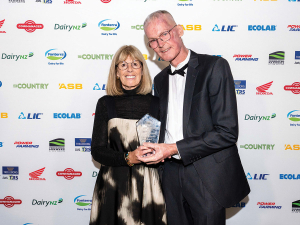
Dairy industry leader Jim van der Poel didn't make much of the invitation he received to the recent New Zealand Dairy Industry Awards in Rotorua.
Farmers around the country are going public big time, demanding their local district, city and regional councils come up with amalgamation plans that meet the needs of rural communities and don't allow urban councils to dominate.
The battle for the rural vote is on and parties are securing high profile names to try and bolster their chances at the general election.
Horticulture New Zealand says proposed changes to the Plant Variety Rights Act 2022 will drive innovation, investment and long-term productivity.
More than 1200 exhibitors will showcase their products and services at next month’s National Fieldays, with sites nearly sold out.