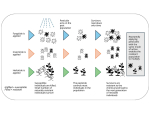
Campaign Urges Growers to Plan Ahead on Resistance
Growers and farmers are being encouraged to have an important conversation before the coming season starts: how to prolong the effectiveness of the crop protection tools they rely on.
 increase font size

Rural residents with unwanted agricultural chemicals or other hazardous waste are being encouraged by Auckland Council to sign-up for an onsite collection this month.
During the 'agricultural chemicals amnesty' from February 20-24, the council will collect a range of agricultural chemicals for safe disposal, along with other hazardous waste by prior approval.
Registrations for the free service must be made prior to February 13 by calling 0800 426 5169.
"We know many farmers, growers and lifestyle block owners have stockpiles of unwanted or old agricultural chemicals. With this service we are making it easy for them to ensure this hazardous waste is disposed of safely," says Auckland Council solid waste business unit manager Jon Roscoe.
The council will accept agricultural chemicals including herbicides, pesticides, fungicides and drenches, but not fertilisers. Persistent organic pollutants such as such as PCBs, PCP, DDT, 2,4,5T and a range of out-of-manufacture chemicals will also be accepted. Non-agricultural chemicals, such as used engine oil, and other hazardous items may also be accepted by prior arrangement.
Growers and farmers are being encouraged to have an important conversation before the coming season starts: how to prolong the effectiveness of the crop protection tools they rely on.

Helensville farmers, Donald and Kirsten Watson of Moreland Pastoral, have been named the Auckland Regional Supreme Winners at the Ballance Farm Environment Awards.
While the vehicle industry is addressing the future by developing engines that run on waste oil, hydrogen, or indeed electricity, one Christchurch-based company is looking at things in a different direction with the use of steam.
Kumeu River's 2024 harvet was done and dusted by mid-March, with light crops ripening quickly in the dry and warm conditions.
A very wet winter and spring in Auckland vineyards was relieved by a spell of fine weather at Christmas, drying everything out.


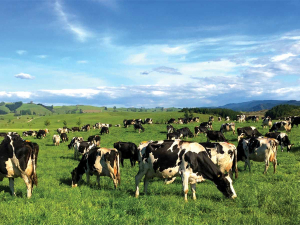
Most dairy regions around the country have had a pretty good season so far says Tracy Brown.

Rural leader Mark Hooper has been appointed as an independent director to the NZPork board, bringing extensive farming, governance and advocacy experience to the role.
Opportunity says its land value tax (LVT) is unlikely to force farmers into a position where asset sales or increased debt are required.
Milk powder prices are keeping farmgate prices up, helping processors offset the dip in milk fat prices.
Climate, nature and animal wellbeing make up Fonterra's refreshed sustainability roadmap released last week.
The Government is introducing a new nationwide rural recycling scheme that will significantly increase the recovery of farm plastics from March next year, Minister for the Environment Nicola Grigg announced today.