Rural NZ Welcomes $8.5m Government Health Package
Rural New Zealand is welcoming the Government’s recent package of rural healthcare initiatives.
 increase font size
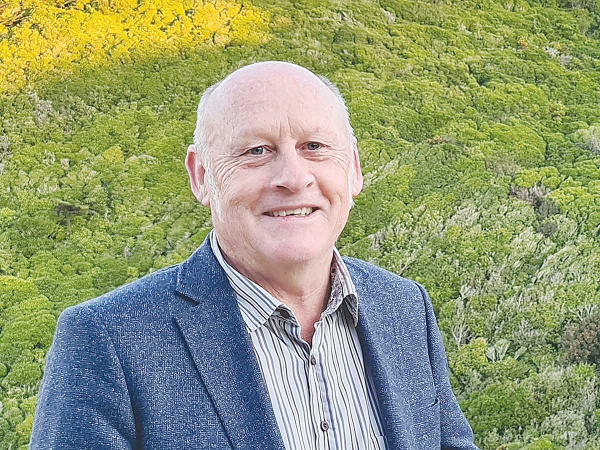 Rural Health Network CEO Dr Grant Davidson.
As the first of a new series of interprofessional rural training hubs opened in South Taranaki late September, Rural Health Network has celebrated the move as a "key pathway to encourage the growth and retention of health professionals in rural areas".
Rural Health Network CEO Dr Grant Davidson said the launch, announced by Minister for Rural Health Matt Doocey and Minister for Rural Communities Mark Patterson was the culmination of many people's hard work.
"It is pleasing to see this Government further backing the health of rural communities by establishing these networks of learning.
"Having Health NZ funding a programme lead to drive the networking and providing pastoral support to the diverse student cohort is vital. International and New Zealand research shows that if you train rural people in rural settings, they are six times more likely to return to work in those rural areas."
The first hub in South Taranaki will build on and involve students in existing programmes such as the fifth-year medical students from the University of Auckland's year-long Rural Medical Immersion Programme, nursing trainees from the Western Institute of Technology at Taranaki, along with midwifery, allied health and other health trainees that can study remotely.
Initially, four hubs will be set up, one in each Health NZ region (Northern, Midland, Central and South Island) and each with a dedicated programme lead working alongside local partners to provide a supportive learning environment.
Doocey said that the South Taranaki hub will be designed with input from the local community involving the rural hospital in Hāwera, general practices, iwi providers, and other private primary care providers in the region.
"It will help coordinate placements, training pathways and pastoral support, making it easier for doctors, nurses, midwives, and allied health staff to live, work, and train here, ultimately delivering more care closer to home.
"These hubs aim to attract and retain our frontline workforce in rural areas by creating stronger links between local services, universities, and training providers. To bring healthcare closer to home, we need to bring education closer to home.
"I'm looking forward to meeting with people in Hāwera and hearing firsthand about their experiences with healthcare in their community. It's important we understand both the challenges and the opportunities so we can work together to improve access anmd outcomes in the rural setting."
Davidson added that the successful growth of this and other Rural Training Hubs will be Tertiary Education Organisations adapting their training programmes to be delivered remotely using tele-learning, reinforced by on-job training in real rural workplaces supervised by experienced rural health workers.
"This is a mind-shift for many institutes running legacy classroom-based training programmes, but the future is to provide cost-effective, family-supported learning fro rural students who should not be required to leave home for extended periods to gain their qualifications.
"Furthermore, experienced rural health professionals will be involved in training the next generation and be encouraged to stay working in their rural jobs because of the impact this work will have.
"We are keen to support the hubs, trainees, and health workers providing the training. Structured correctly, this could see a vital pipeline of rural health workers to oversee the health of rural communities into the future."
Rural New Zealand is welcoming the Government’s recent package of rural healthcare initiatives.

The regions that will host clinical training for the University of Waikato's new medical school from 2028 have been confirmed, alongside a new nationwide approach to clinical placements for medical students.
The Government has announced it is backing a new initiative designed to grow grassroots rural wellbeing leaders.
The Government has announced its support for 18 community-based initiatives through its Rural Wellbeing Fund.
Rural health advocates say the Government's decision to establish a new medical school at the University of Waikato augurs well for the rural sector.

DairyNZ deputy chair Cameron Henderson has been re-appointed unopposed for another term.
Farms across the upper North Island are trialling different pasture mixes as part of a research programme that aims to build greater resilience into farming systems.
Election years are always a concerning time for farmers, according to DairyNZ chair Tracy Brown.
The Ballance Farm Environment Awards are coming to the West Coast of the South Island.
Most dairy regions around the country have had a pretty good season so far says Tracy Brown.