Rural NZ Welcomes $8.5m Government Health Package
Rural New Zealand is welcoming the Government’s recent package of rural healthcare initiatives.




 increase font size
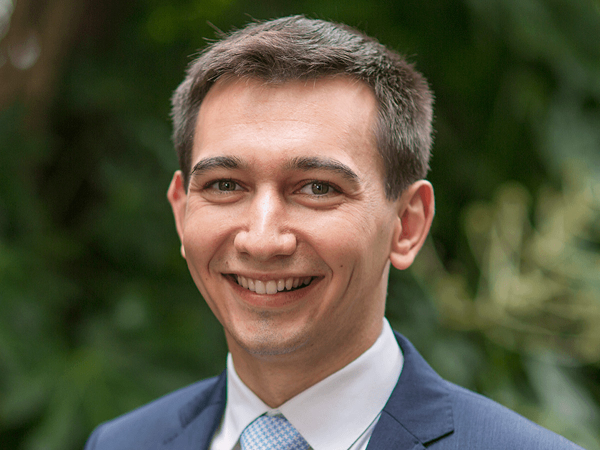 Health Minister Simeon Brown
The regions that will host clinical training for the University of Waikato's new medical school from 2028 have been confirmed, alongside a new nationwide approach to clinical placements for medical students.
Health Minister Simeon Brown says confirming the regions is a significant milestone in building a stronger, more regionally connected health workforce.
"We know that where doctors train often influences where they practise," Brown says. "By embedding students in regional and rural communities, we're creating a pathway for more doctors to stay and work in the areas that need them most."
The New Zealand Graduate School of Medicine will provide an additional 120 graduate-entry medical students each year.
Students will complete one year of on-campus study at the University of Waikato before undertaking three years of clinical training across five regions:
Brown says the new medical school at the University of Waikato is critical to growing the country's domestic workforce and addressing long-term shortages in primary care.
"The programme has been designed so that students – particularly those from regional and rural backgrounds – can complete most of their training within their home regions," he says.
"Students will receive a balanced clinical education across hospital settings, primary care, and broader community health services, an innovative model that has proven successful internationally."
In addition, a new national distributed clinical placement network is being established to support medical students across New Zealand's three medical schools and strengthen the health workforce over the long term.
Health New Zealand has worked closely with the Universities of Waikato, Auckland and Otago to develop the network, which will help coordinate clinical placement opportunities and support future growth in medical education.
"Building the health workforce we need means ensuring there is capacity to train more students. This network will take a coordinated national approach to clinical placements, helping support more medical students to train in a wider range of communities and healthcare settings across New Zealand."
Associate Health Minister Matt Doocey says one of the defining features of the network is the establishment of Community Clinical Learning Centres in smaller towns, because rural communities know when you train people locally, they’re far more likely to stay local.
“This Government is bringing healthcare closer to home for the one in five New Zealanders who live in rural communities by training more health professionals closer to the communities they will serve," Doocey says.
“Today's announcement of Community Clinical Learning Centres complements the Government’s roll out of rural training hubs, which bring together educational placements, pathways, and pastoral support to grow the frontline rural health workforce.
“By embedding students in rural communities, we can help grow the frontline health workforce in the areas that need it most.”
Brown says the confirmation of clinical training regions marks an exciting development for the new medical school.
“We are focused on fixing the basics and building the future of our homegrown health workforce – delivering the next generation of doctors trained in the communities that need them most.”
Rural New Zealand is welcoming the Government’s recent package of rural healthcare initiatives.

The Government has announced it is backing a new initiative designed to grow grassroots rural wellbeing leaders.
The Government has announced its support for 18 community-based initiatives through its Rural Wellbeing Fund.
The University of Waikato has broken ground on its new medical school building.
As the first of a new series of interprofessional rural training hubs opened in South Taranaki late September, Rural Health Network has celebrated the move as a "key pathway to encourage the growth and retention of health professionals in rural areas".
DairyNZ deputy chair Cameron Henderson has been re-appointed unopposed for another term.
Farms across the upper North Island are trialling different pasture mixes as part of a research programme that aims to build greater resilience into farming systems.
Election years are always a concerning time for farmers, according to DairyNZ chair Tracy Brown.
The Ballance Farm Environment Awards are coming to the West Coast of the South Island.
Most dairy regions around the country have had a pretty good season so far says Tracy Brown.



OPINION: The same mainstream media muppets that brought you Jacindamania in 2017 have been flat out pimping for the Opportunities…
OPINION: Your old mate reckons the atrocious way farmers in the UK are treated by their lords and masters in…