Rural NZ Welcomes $8.5m Government Health Package
Rural New Zealand is welcoming the Government’s recent package of rural healthcare initiatives.




 increase font size
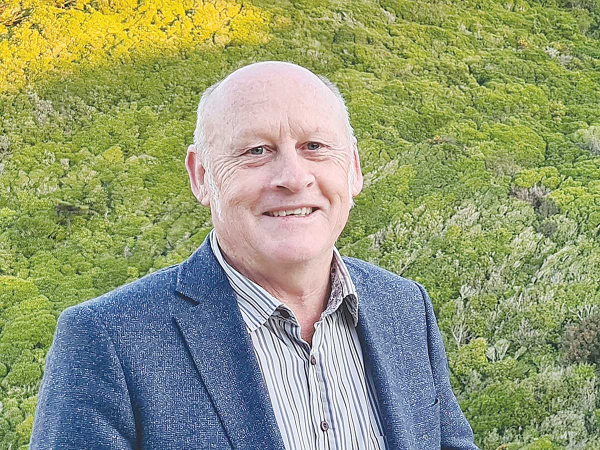 Dr Grant Davidson, chief executive of Rural Health Network.
Doctors and rural women are welcoming the recent pre-budget announcement from the Government that it would be boosting funding to urgent and afterhours care facilities.
Associate Health Minister Matt Doocey announced that Budget 2025 would include $164 million over the next four years to strengthen urgent and after-hours care across the country.
This includes targeted support for over 70 rural and remote communities, including extended afterhours care, 24/7 on-call in-person clinical support and improved access to diagnostics and medicines.
Those changes will be rolled out within the next two years with new services being trialed in Twizel, Tākaka, Tūrangi, Te Kūiti, Coromandel, and Great Barrier Island before it is rolled out nationwide.
“People in rural New Zealand deserve access to timely, quality healthcare,” says Doocey.
He says the investment will reduce travel times, improve access to services, and take pressure off emergency departments.
“This is about delivering practical improvements that make a real difference for people living in rural and remote areas. Geography shouldn’t be a barrier to getting the healthcare you need,” he says.
Dr Grant Davidson, chief executive of Hauora Taiwhenua Rural Health Network, says that urgent and unplanned care has been a significant concern among rural general practitioners for many years.
“We are glad to see the Government placing focus on this and looking to apply increased funding,” Davidson says.
He says the funding could prove to be a “game-changer” for rural health.
“The solutions will be designed by rural providers, tested out by rural providers and ultimately, implemented by rural providers,” he says.
“We are excited to be part of this prototype project, which will not only improve urgent care access but also strengthen the sustainability of rural health services across the motu,” he adds.
However, Rural Women New Zealand national president Sandra Matthews says this should only be the start of a commitment to improving rural access to health services.
She says the investment recognises some of the current issues by rural communities, but a sustained effort is required to address the challenges rural people face when accessing healthcare.
“Rural communities should not be disadvantaged in our health system,” Matthews says.
She says the new services being funded mark a “promising step”.
“We welcome the inclusion of trials that will be developed in partnership with rural providers, who know best how to respond to the needs of rural communities,” she says.
“However, real equity will only be achieved when every rural New Zealander can access quality healthcare, no matter their location.”
Matthews says Rural Women New Zealand continues to hear from rural women about long travel times to access basic healthcare, including effective maternity and paediatric care, a difficulty getting prescriptions filled after hours, and stress in accessing diagnostic services.
“These are fixable problems but require sustained investment and planning,” she says.
“We commend the Government for listening to our rural communities, but more will need to be done to ensure rural people have the same access to healthcare as other New Zealanders. Geographical equity in healthcare coverage must remain the overall goal.”
Rural New Zealand is welcoming the Government’s recent package of rural healthcare initiatives.

Deputy Prime Minister and ACT Party leader David Seymour says advocacy group Rural Women New Zealand (RWNZ) has submitted against a controversial bill without consulting its members.
Women up and down the country are the glue that hold rural communities together, giving so much to so many, says the inaugural Rural Woman of the year award winner Kate Acland.
The regions that will host clinical training for the University of Waikato's new medical school from 2028 have been confirmed, alongside a new nationwide approach to clinical placements for medical students.
The Government has announced it is backing a new initiative designed to grow grassroots rural wellbeing leaders.

DairyNZ deputy chair Cameron Henderson has been re-appointed unopposed for another term.
Farms across the upper North Island are trialling different pasture mixes as part of a research programme that aims to build greater resilience into farming systems.
Election years are always a concerning time for farmers, according to DairyNZ chair Tracy Brown.
The Ballance Farm Environment Awards are coming to the West Coast of the South Island.
Most dairy regions around the country have had a pretty good season so far says Tracy Brown.



OPINION: It seems Canterbury processor Synlait is still in the doldrums.
OPINION: Get offside with New Zealand First leader Winston Peters at your own peril.