New Rural Recycling Scheme to Replace Voluntary Farm Plastics Programmes by 2027
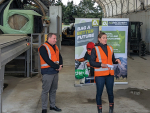
Environment Minister Nicola Grigg has announced details of a new rural plastics recycling scheme.
 increase font size
 Beef + Lamb New Zealand’s Jeremy Baker.
New research indicates NZ’s sheep and beef greenhouse gas emissions have been overstated.
AgResearch has developed a more accurate calculation of the nitrous oxide emissions from sheep, beef and dairy production, which shows that nitrous oxide emissions are two thirds and one third respectively lower than previously thought.
The new nitrous oxide measurement will see total sheep emissions (including methane and nitrous oxide emissions) around 10.6 % lower than previously reported. Beef cattle will be down by 5% and dairy cattle by 1.4%.
The improvement in the calculation of emissions results in a 4.4% reduction in the agriculture sector’s overall reported emissions for 2017, and a 2.1% decrease in New Zealand’s overall reported emissions.
This new research reveals that livestock’s overall contribution to New Zealand’s greenhouse emissions is lower than previously calculated.
Beef + Lamb New Zealand’s Jeremy Baker says the research highlights how understanding about livestock’s contribution to warming is continuing to evolve, and the importance of continuing to invest in science in these areas.
“The agricultural sector is committed to playing its part in tackling the challenge of climate change, and the New Zealand sheep and beef sector has already reduced its overall greenhouse gas emissions by more than 32% since 1990, whilst maintaining similar levels of production,” he says.
Environment Minister Nicola Grigg has announced details of a new rural plastics recycling scheme.

For the first time in a quarter of a century, Federated Farmers has something positive to say about the Labour Party’s climate change policy leading into a general election.
The Ballance Farm Environment Awards are coming to the West Coast of the South Island.
Climate, nature and animal wellbeing make up Fonterra's refreshed sustainability roadmap released last week.
With lambing underway in many regions, Beef + Lamb New Zealand is encouraging farmers to put together a wellequipped lambing kit to help minimise lamb losses, particularly in bad weather.


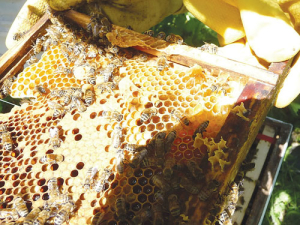
New Plymouth-based Manuka honey exporter Egmont Honey has completed its acquisition of Taihape beekeeping business Tweeddale's Honey, with settlement finalised on Friday, 18 September.

Westpac NZ is calling on farmers and growers to start preparing now for the possibility of a dry summer, as likely El Niño conditions raise the risk of drought across parts of the country.
Fonterra Co-operative Group has confirmed the independently assessed candidates standing for election to its board in 2026.
Fonterra has revised its Farmgate Milk Price forecast for the 2026/27 season, lifting the midpoint and narrowing the range on the back of improving global dairy commodity prices.
New Zealand's citrus growers were challenged to build their future on the value embedded in their fruit rather than the volume they produce, at Citrus New Zealand's annual gathering in Gisborne on 17 September.
Leading John Deere technicians and apprentices from New Zealand and Australians were recognised at the recent sixth annual JD Technician of the Year Awards, held in Brisbane.