Pāmu FY26 Report: Profit More Than Doubles to $113m
Pāmu has released its FY26 Integrated Annual Report, reporting a Net Operating Profit of $113 million, more than double the $49 million recorded in FY25.
 increase font size
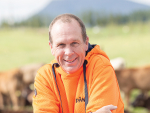
 Silver Fern Farms chief executive Simon Limmer.
Silver Fern Farms have announced the company has entered into one of New Zealand’s largest sustainability-linked working capital financing facilities (SL Financing).
At $320 million, the SL Financing has been tailored to the challenging faced by the red meat industry, and will further enable Silver Fern Farms to grow while delivering on the company’s transformative sustainability agenda.
Silver Fern Farms chief executive Simon Limmer says the red meat company is committed to leading food system-change and supporting a just transition to a low carbon economy.
“Our commitment, and follow-through, on sustainability issues is a key way we’re making sure we do the right thing by our customers who increasingly want their red meat sustainably produced and processed,” he says.
Limmer says sustainability-linked financing of this size marks a significant step for Silver Fern Farms and emphasises it’s commitment to respond to the rise of climate conscious consumers and create new forms of value for farmers.
“The targets associated with the facilities will hold us to account as we accelerate towards a nature positive business model that incentivises low emissions, biodiverse and regenerative farming practice,” he says.
As part of the SL Financing, Silver Fern Farms will receive financial incentives as it delivers pre-agreed and pre-defined sustainability targets including:
Silver Fern Farms chief financial officer Vicki McColl says the SL Financing would add another incentive for the company to achieve the targets set out in its newly adopted Sustainability Action Plan.
“The Sustainability Performance Targets (SPTs) set out in the sustainability-linked financing give us real clarity in terms of what we need to be investing in year on year and make plain our responsibilities,” says McColl.
She says a strong performance against the targets will save money, while under performance will cost Silver Fern Farms.
“This means the incentives for operating in a more sustainable way are very tangible in a commercial sense.”
The SL Financing is provided by a syndicate of lenders comprising ANZ, Bank of China, BNZ, Citibank and Rabobank.
ANZ, BNZ and Rabobank, who together acted as Joint Sustainability Coordinators (JSCs) on the transaction, recognised Silver Fern Farms market-leading approach to sustainability.
“With the support of the JSCs, we have achieved a Sustainability-Linked financing facility that is customised for the sustainability challenges, and opportunities, in the red meat industry and one that aligns with international best practice.
“Silver Fern Farms is now extremely well positioned to play a leading role in nature positive food production globally and we thank all those involved in this significant milestone for agribusiness in New Zealand,” says McColl.
The transaction was externally reviewed by EY and aligns with the Sustainability-Linked Loan Principles (2022).
Pāmu has released its FY26 Integrated Annual Report, reporting a Net Operating Profit of $113 million, more than double the $49 million recorded in FY25.
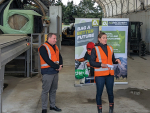
Environment Minister Nicola Grigg has announced details of a new rural plastics recycling scheme.
Almond hulls sourced from Australian orchards may have the potential to help New Zealand cows reduce emissions, boost milk yield and lower input costs.
The Government is introducing a new nationwide rural recycling scheme that will significantly increase the recovery of farm plastics from March next year, Minister for the Environment Nicola Grigg announced today.
Climate, nature and animal wellbeing make up Fonterra's refreshed sustainability roadmap released last week.


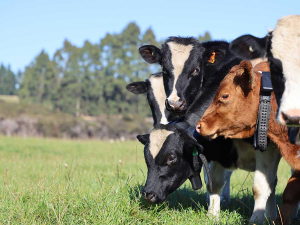
High country stations, mixed sheep and beef farms, Māori-owned farms, corporates and family operations are among the nine commercial farms taking part in the Livestock Innovation Farming Transformation programme, known as LIFT.
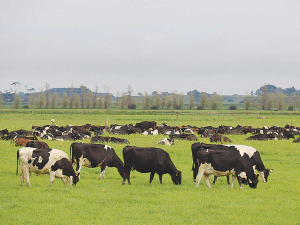
OPINION: New health and safety guidance unveiled by the Government recently provides farmers greater certainty about what is expected of them when managing risks on farm.
The National Animal Welfare Advisory Committee (NAWAC) is seeking public feedback on proposed changes to the Code of Welfare for Rodeos.
A New Zealand initiative supporting farmers to restore the health of grazing landscapes has received international backing through the Regenerative Fund for Nature, a global collaborative fund supporting regenerative agriculture and the communities that produce natural fibres for the fashion industry.
Combine premium New Zealand products, blend in a family ritual and what do you get? A world-class functional drink.
Entries are now open across eleven regions for the 2027 New Zealand Dairy Industry Awards (NZDIA).