McRae Wins Southern South Island B+LNZ Director Vote
Matt McRae, a farmer from Mokoreta in Southland who runs a sheep, beef and dairy support business alongside a sheep stud, has been elected to the Beef +Lamb NZ Board as a farmer director.
 increase font size
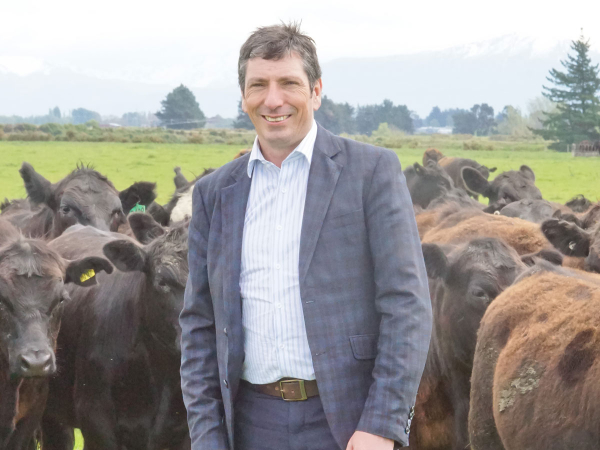 Beef + Lamb NZ chief executive Sam McIvor
Beef + Lamb New Zealand (B+LNZ) is calling the Government’s release of the Indigenous Biodiversity National Policy Statement (NPS) exposure draft legislation badly timed and ill-considered.
B+LNZ chief executive Sam McIvor says the industry good organisation is disappointed with the timing of the release, just one day after a major announcement of the He Waka Eke Noa recommendations.
“Farmers are feeling overwhelmed with the environment-related policy changes that have already come their way, on top of labour shortages, high on-farm inflation and managing Covid-19,” he says.
“Work is still underway on getting the freshwater and climate change policies right, let alone fully implemented, so it’s frustrating the Government is putting out yet more environment legislation.”
He says B+LNZ farmers are passionate about biodiversity and are protecting and restoring the indigenous habitats on their farms, but they also have major concerns with the original Indigenous Biodiversity NPS.
He says these concerns specifically related to the broad definition of Significant Natural Areas (SNAs), which McIvor says would have restricted agricultural activities on a significant proportion of farms.
“We hope the Government has taken these concerns into account and will be studying this closely. While there may be some improvements, B+LNZ has from the outset been calling for significant changes on key provisions. We expect genuine consultation and that we will be able to resolve all the issue our farmers have identified.
“Farmers are playing their part and indeed are leaders in the protection of biodiversity.”
McIvor says sheep and beef farmers are the largest custodians of indigenous biodiversity in New Zealand after conservation estates, with an average of 25% of sheep and beef farms covered in native vegetation.
“These regulations need to be enabling for farmers to carry on that work while not restricting farming.
“These policies have significant impacts on farming business costs and day to day operations, and it’s hard to believe the Government is willing to compromise the viability of a sector that has been a standout during the Covid-19 pandemic and will continue to be critical to our post-Covid economic recovery,” he says.
“We’re not asking for nothing to happen – we just need the Government to slow down. Slow down to get the policies right, without the need for rework, and slow down so farmers can plan ahead and ensure their businesses remain sustainable in every sense of the word.”
Matt McRae, a farmer from Mokoreta in Southland who runs a sheep, beef and dairy support business alongside a sheep stud, has been elected to the Beef +Lamb NZ Board as a farmer director.

Ospri is reducing TB testing frequencies and movement control measures as the disease risk subsidies in parts of the country.
Southland farmer and director Tony Cleland has been named OSPRI New Zealand’s new chair.
The red meat sector is poised for a strong rebound this season, with export receipts forecast to top $10 billion and farm profitability to almost double.
Progeny testing at Pāmu’s Kepler farm in Southland as part of Beef + Lamb New Zealand’s Informing New Zealand Beef programme is showing that the benefits of hybrid vigour could have a massive impact on the future of beef breeding.


Farmgate lamb prices are down by 8%, beef cattle by 4.5% and farm expenditure up by 4.2%.
Kiwifruit growers are watchful but remain optimistic as concerns around the potential effects of the El Niño weather pattern this season.
Almond hulls sourced from Australian orchards may have the potential to help New Zealand cows reduce emissions, boost milk yield and lower input costs.
Striking a balance between meeting the needs of industry to speed up approval time for products but on the other hand ensuring that risks are properly assessed.
Surprised, humbled and quite thrilled. That’s the reaction of James Allen, one of the founding partners and now chief executive of AgFirst, on being made a life member of the Institute of Rural Professionals.