
Seeking apology
The small east coast township of Wairoa is still waiting for an apology from the Hawke's Bay Regional Council (HBRC) following the devastating floods which hit the town in June and damaged hundreds of houses.
 increase font size
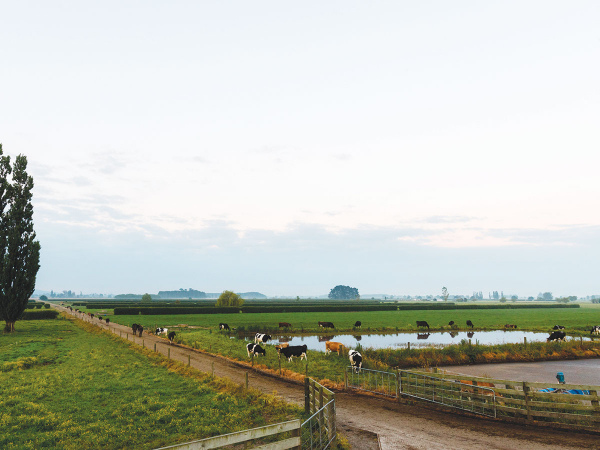 The recent storm in the Gisborne area have disproportionately impacted Māori farms.
The recent storm on the East Coast has disproportionally affected Māori farms in the region.
That's the view of Hayden Swann, who holds a range of governance roles on various Māori trusts and incorporations in Tairawhiti - including the famous Whangara farms, north of Gisborne. His day job is principal of Gisborne's Makaraka school, as well as being on the executive committee of the Federation of Māori Authorities (FOMA), whose role is to promote and foster sound management for Māori business.
Māori landholdings in Tairawhiti are huge and Swann points out that many of the farms are hill country blocks which are very steep and prone to erosion. He says the weather events of the past year have been pretty horrendous and impacted severely on Māori farms.
"This flood event has caused more significant damage, particularly to the steeper slopes on the lower class land," Swann told Rural News. "Some of the soils are on rock and soil tends to fall away, which is not unexpected."
He says some of the Māori trusts and incorporations, such as Whangara, operate large-scale farming operations and can cope better with events like the recent storm. But he points out that some Māori farms are small, undeveloped and at the best of times they struggle - let alone without being faced with a disaster such as the recent storm.
Swann says farming on the East Coast is far from easy at present and points to the added challenge of getting stock to the freezing works where there are delays caused by Covid. He says at Whangara farms they were still cleaning up from the last event in November, which wiped out tracks and fences and now they have more work to do.
The small east coast township of Wairoa is still waiting for an apology from the Hawke's Bay Regional Council (HBRC) following the devastating floods which hit the town in June and damaged hundreds of houses.
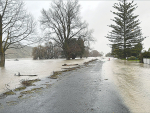
A review into the Wairoa flooding event on 26 June 2024 has found the flood was caused by a combination of factors leading to the river backing up and overflowing.
The Government has activated Enhanced Taskforce Green (EFTG) in response to flooding in the Tairāwhiti and Wairoa regions.
Farmers on the East Coast are busy trying to get out on their farms and assess and repair the damage caused by the recent storm event.



The primary sector is leading New Zealand's economic recovery, according to economist and researcher Cameron Bagrie.

Dairy industry leader Jim van der Poel didn't make much of the invitation he received to the recent New Zealand Dairy Industry Awards in Rotorua.
Farmers around the country are going public big time, demanding their local district, city and regional councils come up with amalgamation plans that meet the needs of rural communities and don't allow urban councils to dominate.
The battle for the rural vote is on and parties are securing high profile names to try and bolster their chances at the general election.
Horticulture New Zealand says proposed changes to the Plant Variety Rights Act 2022 will drive innovation, investment and long-term productivity.
More than 1200 exhibitors will showcase their products and services at next month’s National Fieldays, with sites nearly sold out.