Editorial: Wool's Back in the Black
OPINION: Confidence in the wool sector is rebounding as prices hit levels not seen in more than 15 years.
 increase font size
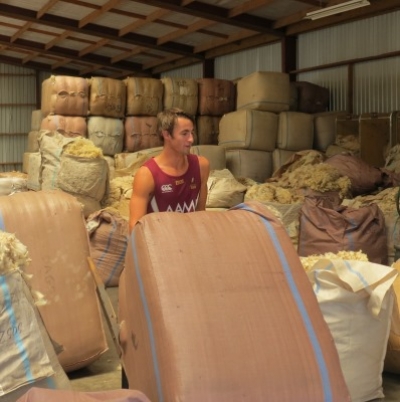
Most types of wool eased this week because of the strengthening NZ dollar and completed shipping requirements, says NZ Wool Services International Ltd’s marketing executive, Paul Steel.
The finer crossbred wools were impacted the most. The weighted indicator for the main trading currencies lifted by 1.39% compared to the last sale on March 19. Of the 9700 bales on offer, 81% sold.
Steel says this week’s South Island prices came more into line with North Island levels in the finer wools as urgent shipments for Asia were completed. The price disparity between centres has now largely dissipated.
Fine crossbred full fleece eased 3- 5% with shorter shears 2-4% cheaper. Good and poor colour coarse crossbred full fleece remained firm with average style 1% easier.
Coarse shears were down 1-3%. First lambs were 1.5-2.5% cheaper. Long coarse oddments were 2% softer with good colour short oddments firm and average/poor styles 1-4% easier.
There was reduced competition, with Asia, Australasia and the Middle East most active, supported by Western Europe, India and the United Kingdom.
The next sale which will be held on Wednesday, April 1, due to the Easter break, comprises about 7800 bales from the North Island.
OPINION: Confidence in the wool sector is rebounding as prices hit levels not seen in more than 15 years.
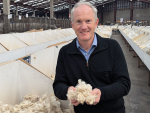
The recently signed free trade agreement with India is an invitation to strengthen relationships between the New Zealand and Indian strong wool industries, says Wool Impact chief executive Andy Caughey.
Strong competition and tightening supply have seen wool reach its highest prices paid at auction since 2011.
A collaboration between two New Zealand companies will see wool used as a renewable colour source for 3D printing.
OPINION: A bumper season all around.
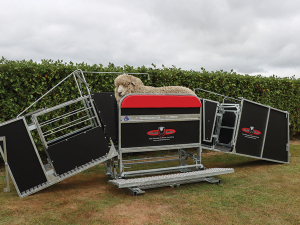
Oamaru-based livestock handling specialist Te Pari has bought Combi Clamp, the New Zealand manufacturer of Combi Clamp manual sheep handlers.
Agriculture Minister Todd McClay has admitted that a scheme bringing workers from Pacific nations to work on orchards has become too hard to navigate but says changes are coming.
A new app designed in New Zealand aims to help sheep, beef and deer farmers capture, analyse and use body condition score data more effectively.
Canterbury farmer Andy Macfarlane has been appointed to the board of AgriZeroNZ, the public-private partnership designed to accelerate the development and deployment of emissions reduction tools for New Zealand farmers.
For over 50 years Mel Ewers has been supporting the apple sector navigate through compliance and quality assurance issues.
The apple sector is enjoying a bumper harvest season.