Synlait CEO Resignation Highlights Deeper Challenges Facing Dairy Processor
A revolving door of chief executives at milk processor Synlait is a warning sign, says Lincon University senior lecturer in agribusiness Nic Lees.
 increase font size
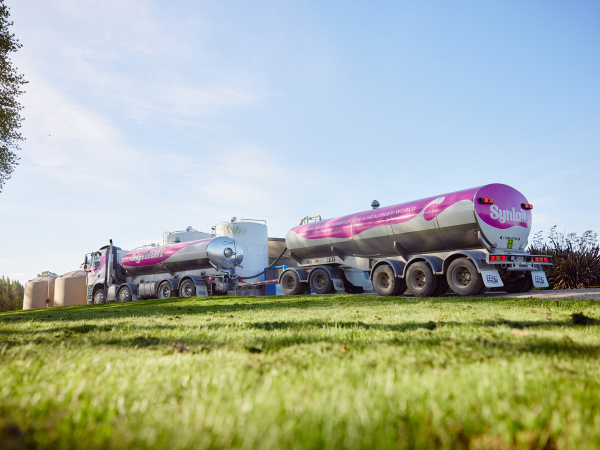 Nestle is teaming up with Synlait and its 300 farmer suppliers to help fund innovative on-farm emissions reduction tools.
One of the world’s largest dairy companies, Nestle is teaming up with Synlait and its 300 farmer suppliers to help fund innovative on-farm emissions reduction tools.
This investment is focused on pragmatic on-farm solutions that improve efficiency, such as effluent management systems, emissions-friendly feed options, advanced soil testing, alternative fertilisers and tree planting, splitting the costs three ways between Nestle, Synlait and its farmer suppliers across the next seven years.
Synlait chief executive Grant Watson says this new kind of customer partnership will help Synlait reach its greenhouse gas emission targets, as well as opening up potential new commercial opportunities to work together.
“This is a great example of proactive, industry-led solutions driving innovation across the supply chain, serving our customers’ demand for high quality, low-emissions products. Synlait’s industry-leading Lead With Pride programme has long financially incentivised Synlait farmers to produce some of the most sustainable dairy in the world, but this investment with Nestlé will help them go further, faster.”
“This partnership aims to reduce the cost of implementation and accelerate farmer adoption of emissions reduction tools. It’s leveraging technologies that are available in market right now, and will expand over time to include emerging technologies as they become available. This kind of agreement also opens up potential new opportunities to work together in other areas, and we look forward to a long and fruitful partnership with Nestlé.”
Nestle global chief procurement officer Patricia Stroup, speaking on a visit to New Zealand, says that partnerships of this kind which bring Nestlé together with farmers and processors, would be instrumental in all parties reaching their greenhouse gas emission targets.
“Dairy is both our single biggest ingredient by volume, and our largest source of Scope 3 greenhouse gas emissions, accounting for around 21% of our total emissions. None of us can do this alone. Knowing this drives us to find new ways of working together, and means we need to collaborate with our dairy suppliers to adopt new ways to reduce emissions, and with farmers to create plans for climate, methane and regenerative agriculture.
“While today’s announcement focuses on what can be delivered now, we are also continuing to develop new ways to reduce emissions through our own research, and external research partnerships. As our investigations continue, the most promising solutions are tested on research farms before being deployed more broadly. We are determined to draw on the best science worldwide, while ensuring that we deliver solutions that are locally relevant for farmers.”
A revolving door of chief executives at milk processor Synlait is a warning sign, says Lincon University senior lecturer in agribusiness Nic Lees.

Troubled milk processor Synlait has lost its third chief executive in five years.
Two major acquisitions in the New Zealand dairy sector were completed this week.
OPINION: Synlait's latest half-year result reveals a serious problem at the heart of the business: its core operations are no longer bringing in enough revenue to cover the cost of production.
OPINION: Synlait's woes show no sign of ending anytime soon.



Celebrating 50 years in the rural landscape of Central Canterbury and beyond, Ashburton-based Carrfields, has been the exemplar for all aspects of modern agriculture via its extensive range of services including supply, growing, agronomic advice and marketing.
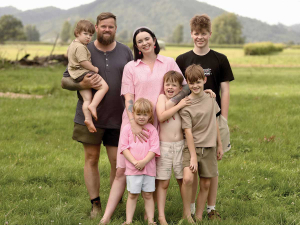
For Taupiri dairy farmers Logan and Sian Dawson, their involvement in the NZ Dairy Industry Awards has been a key catalyst in the growth of their business - the experience helping shape how they approach the farm ownership pathway they are pursuing today.
West Otago dairy farmer Luke Kane has been awarded the 2026 Rabobank Dr John Morris Business Development Prize.
OPINION: As the general election approaches, political parties are churning out policies in the hope of attracting more votes.
An LIC bull, Tronnoco AR Sadio-ET S3F, bred by Tony and Keri O'Connor of Tronnoco Farming Co Ltd near Timaru, has won the 2026 Mahoe Trophy.
With forecasters advising El Niño conditions will develop through winter and strengthen into spring and summer, Ballance Agri-Nutrients is encouraging farmers and growers to think ahead about nutrient planning and be prepared to work around challenging weather conditions.