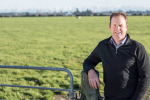
Ravensdown CEO takes out premier award
Ravensdown chief executive Greg Campbell has been named the 2019 Primary Industries Chief Executive of the Year at the inaugural Primary Industries Awards.
 increase font size

MASSEY UNIVERSITY is well placed to provide the education needed to support the 50,000 new jobs in primary industries projected by 2025 in a new report, says Deputy Vice-Chancellor Professor Robert Anderson.
Minister of Primary Industries Nathan Guy launched the 'Future Capability Needs For Primary Industries in New Zealand' report, revealing over half of the new jobs will require tertiary qualifications in order for New Zealand to double its exports by 2025. Primary industry jobs cover farming, fishing, forestry and mining.
The report predicts the biggest growth to be generated in support services jobs (researchers, rural consultants, veterinarians, agronomists and irrigation specialists) as primary production and processing becomes more sophisticated and greater value is added beyond the farm gate all the way to the consumer.
Professor Anderson says Massey is in a strong position to provide the educational requirements identified in the report. "This is an excellent and timely report and Massey is well placed to play a full part in delivering the education needed. The fact that the future capability requirement covers the entire agricultural value chain, from land-based to consumers, is especially welcome."
Massey University is a world leader in agriculture, recently ranked 19th in the world by the Quacquarelli Symonds world university subject rankings out of thousands of universities. Massey has an unparalleled breadth of expertise across the value chain offering programmes covering sustainable production, managing resources, plant and human health, innovation in food, and food safety and security, Professor Anderson says.
Vice-Chancellor Steve Maharey says Massey is committed to working alongside companies, industries, communities, local and central governments and international agencies to find solutions. "The university adds value to New Zealand's land-based industries and continues its contribution to the global agenda of food security and developing sustainable resource management strategies. Our flexibility, breadth of capability across the food value chain and our connectedness throughout the world helps us assemble the best expertise."
"Agriculture and food production are important globally, nationally and personally, and the forces influencing them seem greater than ever. They include population expansion, obesity, pandemics, global warming and food security and safety. We will have to work together to ensure we meet these challenges."
Ravensdown chief executive Greg Campbell has been named the 2019 Primary Industries Chief Executive of the Year at the inaugural Primary Industries Awards.

New Zealand’s primary sector exports continue to surpass expectations, with revenue forecast to grow 7.1% on the previous financial year.
Primary Industries Minister Nathan Guy says the agriculture sector remains in good heart despite Fonterra’s recently announced reduced forecast payout.
The stigma of bovine TB remains huge in rural communities despite a decline in the number of infected herds, says Stu Hutchings, group director of OSPRI.
Lincoln University has welcomed the findings of a Ministry of Business, Innovation & Employment (MBIE) report that shows favourable career prospects for those looking at the primary sector.


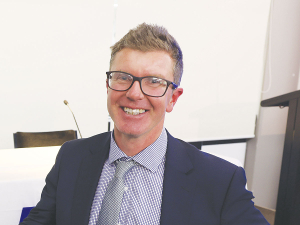
LIC shareholders have elected a new North Island representative to the co-operative's Board, along with five representatives to its Shareholder Reference Group (SRG), following the company's Annual Meeting held in Invercargill.
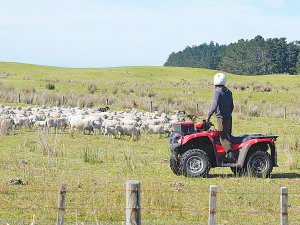
Farmers across parts of Southland and South Otago are continuing to deal with difficult conditions after a prolonged run of wet weather, with pressure building around feed supply, stock management, pasture damage, farm infrastructure and everyday workloads.
Federated Farmers says it welcomes Labour's commitment to reviewing the Sharemilking Agreements Act, calling on other major parties to do the same.
For Canterbury dairy farmers Sian Meijer and Rick Wobben, wearable technology has become one of their most valuable on-farm tools - helping manage 1850 cows across an expansive, high-performing dairy operation while improving efficiency, mating outcomes and day-to-day decision making.
Fonterra has unveiled its annual results for the 2026 financial year, posting $27 billion in revenue and close to $20 billion returned to New Zealand farmer owners and unit holders.
The first major update to the Dairy Cattle Code of Welfare in more than a decade has been released, marking what DairyNZ describes as an important step in ensuring animal welfare standards continue to evolve alongside scientific evidence and on-farm realities.




