NZKGI Responds to Migrant Worker Exploitation Reports
Where any worker in the kiwifruit industry is mistreated, we expect the authorities to take action.
 increase font size
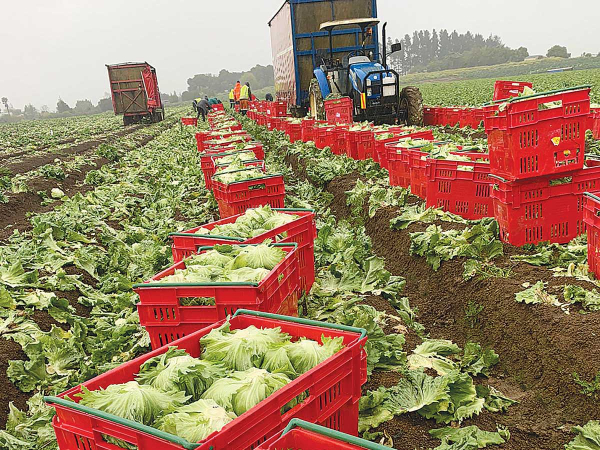 Growers are warning consumers to brace for significant price increases for vegetables.
Fruit and vegetable growers are warning their produce will be left unpicked and rotting in the fields unless the Government approves urgent visas for overseas workers.
The growers are also telling consumers to brace for significant price increases for vegetables, strawberries, stone fruit, cherries and watermelons.
Vijay Bhana, of Pukekohe family-owned vegetable producer Hira Bhana & Co. Ltd, says the situation is pretty serious.
Bhana told Rural News that his company hires around 30 extra workers, mostly from the Pacific Islands, every year for harvesting and pack house duties.
With no overseas workers available due to Covid border closures, the company had placed job advertisements on Trade Me and the Ministry of Social Development websites for locals. The response was very poor, he says.
Without enough workers, Hira Bhana & Co. faces the risk of vegetables left unpicked and packed for customers.
Bhana says this season’s lettuce crop is ready for harvesting.
“We don’t use machines; the lettuce is hand cut… we can’t leave the lettuce in the ground for too long as they would over mature and rot.
“This will then lead to prices of vegetables increasing because of the losses.”
Bhana cannot understand why the Government isn’t allowing overseas workers in. “They are allowing rugby players and film makers. It seems very unfair.”
Questions sent to caretaker Immigration Minister Kris Faafoi’s office remained unanswered as Rural News went to the press.
Fourteen major growers and distributors say in a joint statement that they are now “in crisis” and are calling for action.
The growers say “time and time again” they have told the Government of their predicament around worker shortages.
However, they claim nothing has changed just because more people are out of work.
“There is such a shortage of people available for horticultural work that there will still be plenty of work for New Zealanders in the roles they prefer (those that offer flexibility in work hours for example).
“However, without having a core experienced staff of overseas workers the crops will not get harvested outside and there will not be work for New Zealanders.”
The growers say because of the Government’s “intransigence”, early harvested crops will soon be rotting in the ground and prices will skyrocket due to lack of availability.
“Export markets will be lost as our direct competitors, Australia, are currently recruiting overseas workers as they normally would.”
Where any worker in the kiwifruit industry is mistreated, we expect the authorities to take action.

Kiwifruit growers are watchful but remain optimistic as concerns around the potential effects of the El Niño weather pattern this season.
James Blair, an agronomist for AS Wilcox and the Pukekohe regional champion, has won the 2026 Young Grower national title.
Claimed to be the first autonomous robot for New Zealand vegetables growers, the first Kilter AX-1 unit has arrived in the country.
After delivering a strong financial year, rural trader PGG Wrightson says the coming months will depend on customer confidence and weather.


Waikato milk processor Tatua has again declared a record milk payout to farmer shareholders, leaving other processors in the dust.

A Labour-led Government won’t be bringing back the controversial freshwater rules of 2020.
National’s much-touted free trade deal with India featured in the Rural Issues Debate at Mystery Creek, Hamilton on Wednesday night.
New Zealand's 2026-27 freshwater fishing season has opened, with anglers encouraged to head to rivers and lakes over the coming days as conditions look favourable across much of the country.
Central Otago District Council (CODC) has voted against a plan to spread treated sewage sludge from Cromwell and Alexandra on farmland near Lauder, a decision Federated Farmers says reflects strong opposition from rural residents.
Pāmu has released its FY26 Integrated Annual Report, reporting a Net Operating Profit of $113 million, more than double the $49 million recorded in FY25.