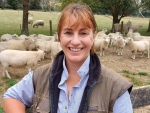
Mary Bowron Named Best Sheep and Beef Vet of the Year
B+LNZ's Wormwise veterinarian Mary Bowron has won the Best Sheep and Beef Vet of the Year Award in recognition of her outstanding contribution to New Zealand’s sheep and beef sector.
 increase font size
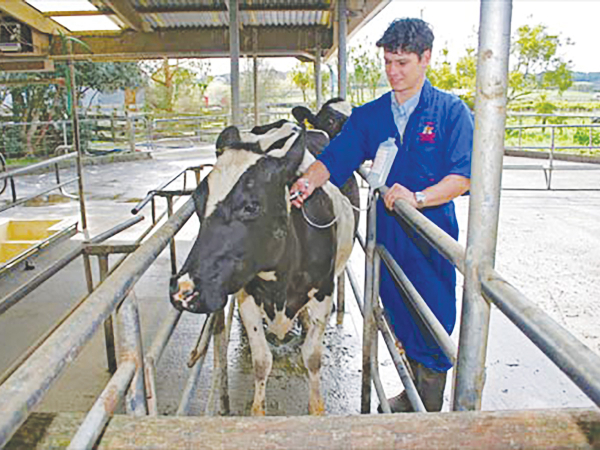 The report highlights there is inadequate funding of veterinary schools to meet the cost of teaching future vets.
A new report into the education of veterinarians has revealed a sustainability crisis within the sector.
The Rethinking Veterinary Education report from Veterinary Schools of Australia and New Zealand, released last month, is the first such report into veterinary education in over 20 years. It details a series of factors, including the funding models of veterinary education, sustainability in domestic and agricultural practice, and retention of veterinarians in both urban and rural areas that could lead to a severe crisis.
New Zealand Veterinary Association (NZVA) president Kate Hill says the sector is facing a number of challenges currently.
“We’ve got a global veterinary shortage and then this review highlights the fact that, as well as the workforce shortage, we’ve got the increasing demand of veterinary services in New Zealand across the whole sector,” Hill told Rural News.
She says that, additionally, the report highlights there is inadequate funding of veterinary schools to meet the cost of teaching future vets.
The report states that veterinary courses are the most expensive professional courses for universities to deliver. It says that the funding per veterinary student to universities from government grants and student fees only covers approximately twothirds of the average estimated total delivery cost per student.
Additionally, it states that incremental opportunities to reduce costs have largely been exhausted and more strategic, structural reforms are required.
Hill says that compounding the cost of educating veterinary students is the salaries those students are then provided when they qualify.
“The veterinary salaries, once they’ve graduated, are becoming uncompetitive with other professions. Other professions have been increasing and the veterinary salaries haven’t been increasing as much,” she adds.
Hills says that building a new veterinary school will not solve the issues at all. “The ultimate change is to improve the education crisis and try and be graduating more veterinarians, have a well-funded university model and happy, healthy university staff and students and veterinarians.”
B+LNZ's Wormwise veterinarian Mary Bowron has won the Best Sheep and Beef Vet of the Year Award in recognition of her outstanding contribution to New Zealand’s sheep and beef sector.
Equine veterinarians say horse owners need to stay alert and communicate with their vets following an outbreak of the highly contagious bacterial disease Strangles in the North Island.
Vets say they support the responsible use of virtual fencing and virtual herding technology for cattle and wants to work with farmers, manufacturers and government to help shape standards for future use backed by ongoing research to strengthen animal welfare outcomes.
Animal owners can help protect life-saving antibiotics from resistant bacteria by keeping their animals healthy, says the New Zealand Veterinary Association.
Around 97% of New Zealand pet owners value the care provided by their vet teams, but the broader contribution of animal health professionals to society often goes unseen, a new study has revealed.


Waikato milk processor Tatua has again declared a record milk payout to farmer shareholders, leaving other processors in the dust.

A Labour-led Government won’t be bringing back the controversial freshwater rules of 2020.
National’s much-touted free trade deal with India featured in the Rural Issues Debate at Mystery Creek, Hamilton on Wednesday night.
New Zealand's 2026-27 freshwater fishing season has opened, with anglers encouraged to head to rivers and lakes over the coming days as conditions look favourable across much of the country.
Central Otago District Council (CODC) has voted against a plan to spread treated sewage sludge from Cromwell and Alexandra on farmland near Lauder, a decision Federated Farmers says reflects strong opposition from rural residents.
Pāmu has released its FY26 Integrated Annual Report, reporting a Net Operating Profit of $113 million, more than double the $49 million recorded in FY25.