Vet education needs an overhaul - report
How veterinarians are educated needs to be overhauled, or there will be a sustainability crisis.
 increase font size
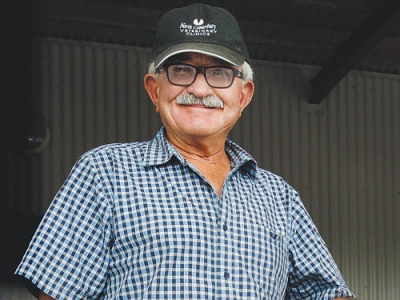 North Canterbury vet Noel McGirr.
Building a 'drought toolbox' was one of the many ways the North Canterbury Veterinary Clinics (NCVC) are helping farmers cope with nearly two years of drought.
Knowing that the pressures of coping with the drought can cause animal welfare issues for farmers, local vet Noel McGirr and his colleagues led a proactive effort to prevent animal suffering and guide farmers battling the drought.
In January 2015, the four clinics that make up the NCVC in Amberley, Cheviot, Waikari and Culverden formed an action plan with farmers at the first drought meeting held in Cheviot.
From that meeting and working with the North Canterbury drought relief committee, NCVC vets like McGirr started visiting as many farms as possible in the district.
These free visits lasted two-three hours, reviewing the current position of each farm, its plans to lambing and beyond, and giving direct support to farm management and staff.
Not only did this prevent farmers feeling isolated, it made them feel help was at hand and allowed them to investigate possibilities for the best outcome and reduce the chance of adverse possibilities.
The 'drought toolbox' they developed consisted of:
• Feed budgeting to assist with determining feed required to meet animal production demands and working out the stock numbers able to be supported
• Body condition scoring and body condition management
• Feed calculators for either supplementary feeding on farm, off farm grazing or quitting stock
• Animal health plans: strategic guidelines on ewe body condition, stock transportation, metabolic disorders and lamb resuscitation.
McGirr said the toolbox helped farmers make the hard decisions early and more palatable, and those that made the early decisions have come through the drought in a better position.
With stock numbers reduced in the district by around 40% on average, McGirr says this drought has been the worst in living memory.
"It has also gone on longer than expected, which has forced people to think 'outside the box' to get through, for instance by trying alternative feeds like fodder beet."
He says the best thing to come from the drought was how the community has come together for the common good. He added that farmers who have hosted field days should be applauded and these have helped farmers open up about the difficulties they all are facing.
It wasn't all about the animals though; comedy nights were arranged in Cheviot and Hawarden where the "Bitches Box" entertainers bought smiles to everyone's faces and rural women's days were also held.
The resilience of the New Zealand farmer is better now than in the past as people are building in resilience on their farms.
"There is always a solution and hopefully the recovery is beginning," McGirr added.
How veterinarians are educated needs to be overhauled, or there will be a sustainability crisis.

A welcome relief – that’s how the New Zealand Veterinary Association (NZVA) is describing the decision to include veterinarians on the new Government Green List.
A total of 34 graduate vets will be placed in rural areas this year, from Northland to Southland, through the Government's Voluntary Bonding Scheme for Veterinarians (VBS).
OPINION: The Government is finally waking up to the fact that more health workers are urgently needed in the country.
A worsening vet shortage has triggered a petition calling for the Government to set aside two MIQ spaces every week for authorised arrivals.

Now in its fourth year, the 2026 Fencing Industry Awards, formed part of the proceedings of the FCANZ Conference, held in Nelson during August.
DairyNZ deputy chair Cameron Henderson has been re-appointed unopposed for another term.
OPINION: The stats speak for themselves.
Farms across the upper North Island are trialling different pasture mixes as part of a research programme that aims to build greater resilience into farming systems.
Election years are always a concerning time for farmers, according to DairyNZ chair Tracy Brown.
The Ballance Farm Environment Awards are coming to the West Coast of the South Island.