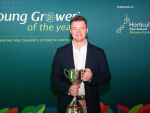
James Blair Named 2026 Young Grower National Champion
James Blair, an agronomist for AS Wilcox and the Pukekohe regional champion, has won the 2026 Young Grower national title.
 increase font size
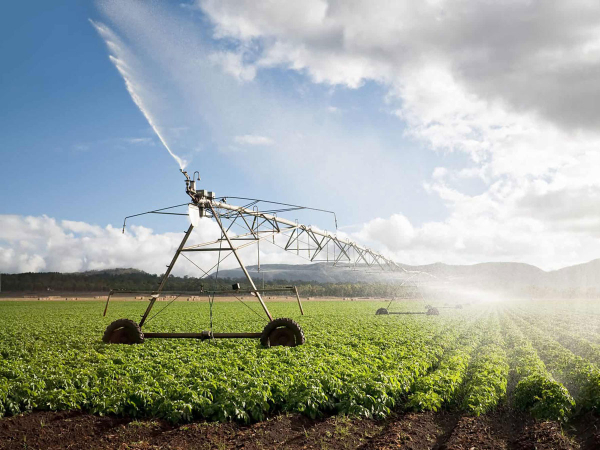 Water allocation and storage has been a hot topic of discussion during HortNZ’s recent grower meetings.
Water allocation and storage has been a hot topic of discussion during HortNZ’s grower meetings held recently around the country.
Growers are dealing with the implications of the El Nino weather pattern now prevailing over New Zealand, which means drier conditions for many regions, says HortNZ chief executive Nadine Tunley.
“This is why ensuring water resilience through availability and storage is a key priority in the Aotearoa Horticulture Action Plan (AHAP) and why we need policies to support the expansion of, and investment in, water storage,” she says.
“This focus area in AHAP calls for strategic, evidence-based co-investment in regional water storage for climate change adaptation. We know horticulture is a very efficient user of water but needs a higher degree of reliability than other land uses.
“Unfortunately, when a first-in-served approach is used to allocate the volume of water allowed to be taken from rivers, and an ecosystem health approach is used to set the minimum flow, horticulture gets caught with the most significant impacts due to the importance of water reliability for fruit and vegetable quality,” says Tunley.
In their discussions with the new Government, HortNZ have been clear that investment in land and water is critical if country is to maintain a thriving horticulture sector.
“We cannot grow without the use of New Zealand’s highly productive land. We cannot grow without access to water,” says Tunley.
“Current policy settings and attitudes – particularly in the areas of land and water use – do not support horticulture’s growth so it has been encouraging to see the new Government’s commitment to exploring water storage solutions.
“In addition to prioritising water allocation and developing policy settings that support the expansion of and investment in water storage, we also need to ensure that water consent timeframes give growers the certainty to invest and increase production, while improving environmental outcomes. That’s why we will be continuing to push the case for growers with Government in the freshwater settings space.”
Tunley says over the past few weeks, she has heard the message loud and clear- growers want reliable access to water and discharges and policy setting and investment that enable water storage so horticulture can expand in a way that supports freshwater health.
The grower meetings also discussed climate change and adaption and food security and supply.
James Blair, an agronomist for AS Wilcox and the Pukekohe regional champion, has won the 2026 Young Grower national title.
Blueberries have the potential to become a major horticultural export, earning up to $150 million within the next three to five years.
New Zealand needs to make sure that it continues to focus on its own food security, according to HortNZ board member and blueberry grower Dermott Malley.
According to a progress report on the Aotearoa Horticulture Action Plan (AHAP), New Zealand's horticulture sector is making real progress on the big issues facing growers.
Agriculture Minister Todd McClay has admitted that a scheme bringing workers from Pacific nations to work on orchards has become too hard to navigate but says changes are coming.


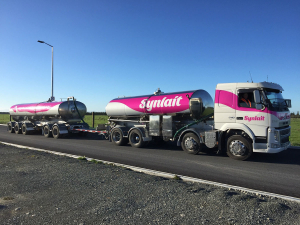
Synlait has swung to second-half profit as operations stabilise, but the dairy processor still posted a $75.4m annual loss.

LIC shareholders have elected a new North Island representative to the co-operative's Board, along with five representatives to its Shareholder Reference Group (SRG), following the company's Annual Meeting held in Invercargill.
Farmers across parts of Southland and South Otago are continuing to deal with difficult conditions after a prolonged run of wet weather, with pressure building around feed supply, stock management, pasture damage, farm infrastructure and everyday workloads.
Federated Farmers says it welcomes Labour's commitment to reviewing the Sharemilking Agreements Act, calling on other major parties to do the same.
For Canterbury dairy farmers Sian Meijer and Rick Wobben, wearable technology has become one of their most valuable on-farm tools - helping manage 1850 cows across an expansive, high-performing dairy operation while improving efficiency, mating outcomes and day-to-day decision making.
Fonterra has unveiled its annual results for the 2026 financial year, posting $27 billion in revenue and close to $20 billion returned to New Zealand farmer owners and unit holders.