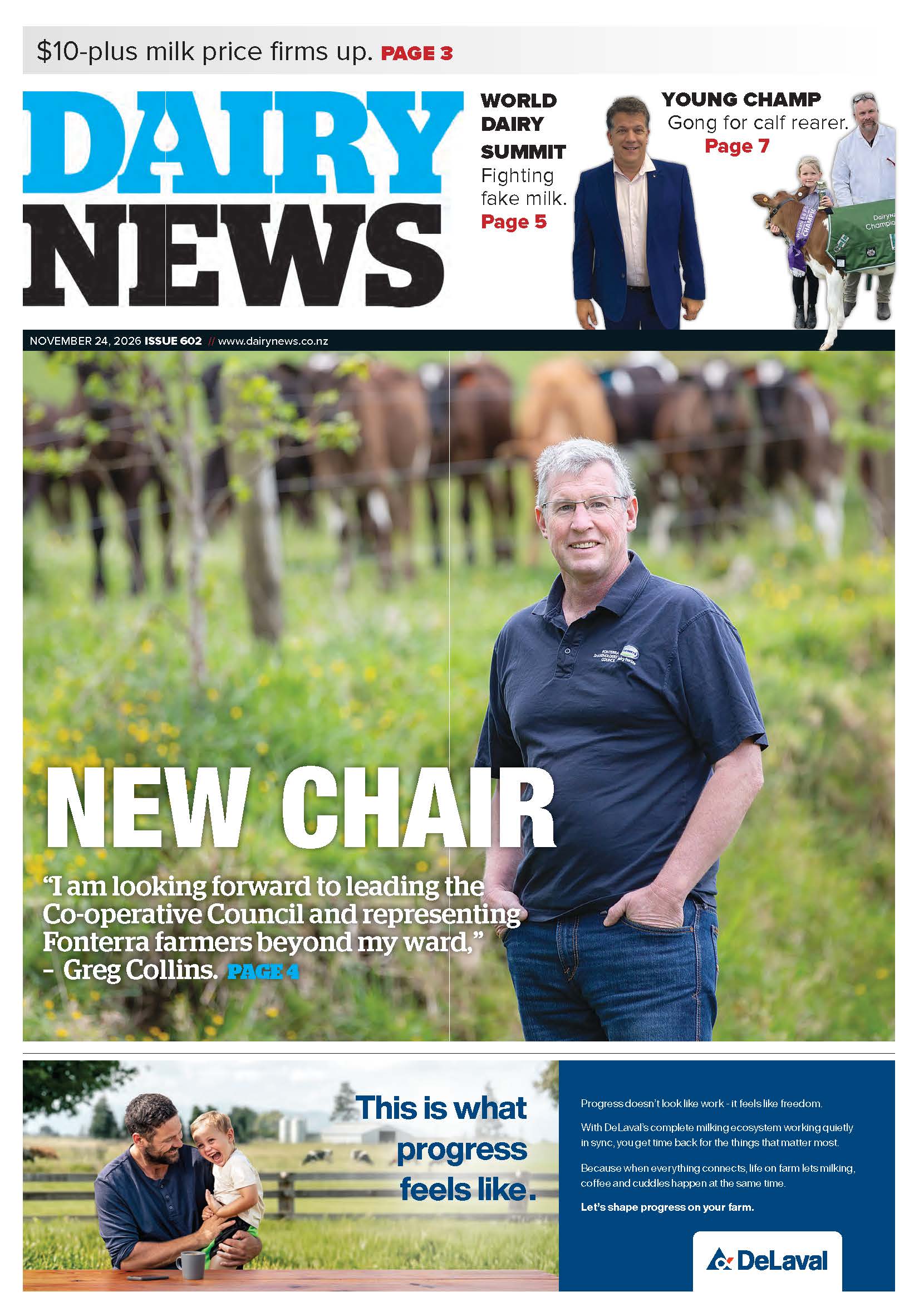
Dairy Industry Pushes to Protect the "Dairy" Term
The global dairy industry is fighting back against alternative proteins masquerading as dairy products.




 increase font size
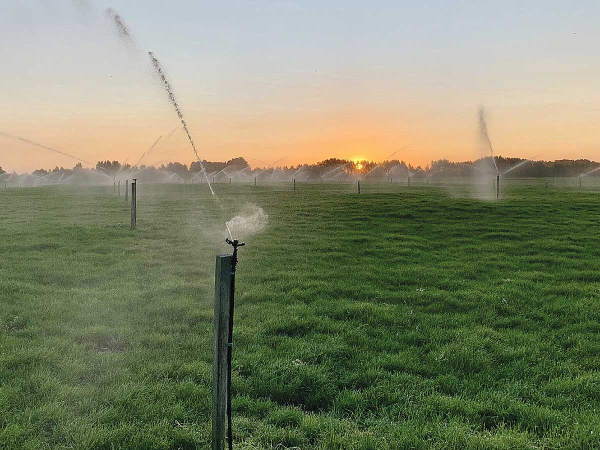 Reliable water is one of the best tools we have for keeping food prices steady.
OPINION: Rivers never sit still. They start as snowmelt and rain in the high country, pick up a creek here and a stream there, and carry all of it down to where it's needed.
That's not a bad description of how this job should work. I've spent a lot of this year on the road, in woolsheds, community halls and farm kitchens. At every stop, someone adds something to what I carry back to Wellington.
And at nearly every stop, water comes up.
I know that from home. A river runs through our farm near Kimbolton, coming down off the Ruahines. I'm no river expert, but I live with it every day, in the wet months and the dry ones. It's also where out family spends a lot of our spare time.
New Zealand is a wet country with a dry-summer problem. We get plenty of rain, but not always when or where we need it. Without storage, too much of it runs out to sea, and when a dry spell hits, farms, towns and rivers all feel it at once.
That uncertainty doesn't stay on the farm. It ends up at the checkout.
Vegetable growers can't plan a season around water they might not have. When supply is uncertain, they plant less, crops struggle, and what makes it to the shops costs more. Anyone who's watched the price of a cauliflower or a lettuce jump knows how quickly that hits the family budget.
Reliable water is one of the best tools we have for keeping food prices steady. When growers know the water will be there, they can plant with confidence, supply stays consistent, and prices don't swing as much with the weather.
That's what unlocking New Zealand's potential looks like in practice. It's not a grand plan from Wellington. It's sensible choices about water that give people certainty.
Good storage holds water from the wet months and releases it when rivers are low. Done well, it protects river health first, keeps towns supplied, and gives growers what they need to keep food on our tables.
The people on the land already know this. They're the first to see a problem, because they live with it. More often than not, they've already got the answer, whether it's shifting a wetland to catch runoff or a storage scheme a community had been working on for years. See the problem. Seek the solution. Solve it safely and swiftly.
Getting it right matters.
Right means safe. Well-built storage is carefully engineered and closely monitored. Nobody wants shortcuts, least of all the communities living downstream.
Right means efficient. Being able to scale up that storage to sizes that make it cost effective, not arbitrary sizes that might be able to sneak under the radar and not upset the perpetually aggrieved, who don't like any sort of progress.
Right means a consenting system that provides certainty that if you do things right, then you won't be caught up in endless litigation, and the people involved don't get burned out on a never ending merry-go-round of hearings, and that financial backers will have the confidence to invest.
Replacing the RMA is our chance to set clear rules, so good projects can move and poor ones are turned down early. That is our challenge for the next term of government, and a challenge the ACT Party is up for.
Andrew Garfield is an ACT MP and Manawatu dairy farmer.
The global dairy industry is fighting back against alternative proteins masquerading as dairy products.
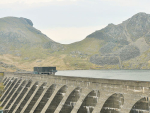
OPINION: Making it easier to collect rainwater and use it to grow crops and livestock is a no brainer.
As part of its Election 2026 coverage, Rural News asked political parties how they would help pull the arable sector out of the doldrums. Here's what they said:
The Government is backing work on a community-led water storage scheme that could irrigate up to 11,000 more hectares of the Poverty Bay flats, Agriculture Minister Todd McClay says.
OPINION: Well, the silly season is upon us and all us politicians are running around shaking babies and kissing hands, or maybe the other way around.
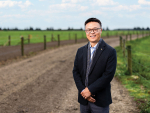

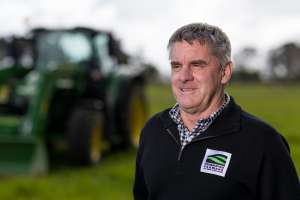
Worst election result imaginable for New Zealand and not good for business confidence.

Associate Agriculture Minister, Mike Butterick has lost his Wairarapa seat in the final count released today.
Women across the dairy sector have an opportunity to invest in their leadership, education and professional development, thanks to a scholarship fund.
Three of New Zealand's leading primary sector organisations have joined forces to propose a new Food and Fibre Private Training Establishment (PTE).
OPINION: The World Dairy Summit, held in Auckland last week, delivered a poignant message – when it comes to global trade, the old order has passed away.
Deer Industry New Zealand (DINZ) has welcomed Government co-investment in a new $10 million programme aimed at increasing the value of New Zealand farmed venison, velvet and co-products and improving returns to deer farmers.
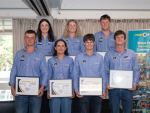

OPINION: It seems Canterbury processor Synlait is still in the doldrums.
OPINION: Get offside with New Zealand First leader Winston Peters at your own peril.