
Five orchardists fined over illegal water take
Over the past two Kiwifruit seasons, Toi Moana Bay of Plenty Regional Council has prosecuted five orchardists for illegally taking more than 100 million litres of water.
 increase font size
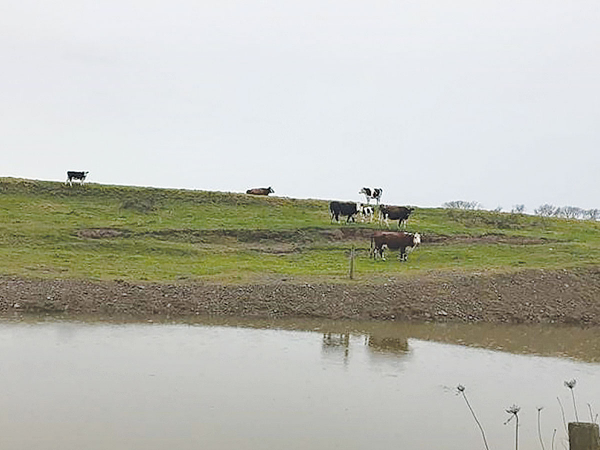 Bay of Plenty Regional Council is reminding rural landowners of the requirements to protect the region's stopbanks from the effects of stock and overgrazing.
With the change of season, Bay of Plenty Regional Council is reminding rural landowners of the requirements to protect the region’s stopbanks from the effects of stock and overgrazing.
Over the wetter winter months stopbanks can be damaged by stock and overgrazing and landowners can be held liable for the damage.
Rivers and drainage asset manager Kirsty Brown says most farmers and lifestyle block owners know the rules but the importance of maintaining the region’s flood defences can’t be underestimated.
“Council manages and maintains almost 352km of stopbanks across the region to protect people, property and livelihoods. During winter, it is common sense to keep stock off the stopbanks as much as possible to prevent pugging and damage,” Brown says.
She says that while light grazing of sheep and cows is allowed on stopbanks in the dryer months, in winter it’s best to keep all stock off them to prevent damage.
“When stopbanks become wet, stock can churn up the ground which can create serious issues. Good grass cover helps to hold together the soil structure underneath – so weakening that top layer can have catastrophic effects on surrounding properties.”
Brown says vehicles can also cause stopbank damage, especially when the ground is wet, so it’s best to avoid driving trucks, tractors or other machinery on them.
“Our Rivers and Drainage team routinely monitor the condition of our stopbanks, but we equally welcome contact from members of the public who may suspect a problem. Our Pollution Hotline (0800 884 883) is the best way to report any areas of concern,” she says.
Flood Protection and Drainage Bylaws apply to stopbanks and other flood defences and water controls like drains. They require landowners to apply for permission if they are intending to build or demolish any structure, undertake earthworks, or do any plantings in the vicinity of a Regional Council managed flood defence or drain.
Over the past two Kiwifruit seasons, Toi Moana Bay of Plenty Regional Council has prosecuted five orchardists for illegally taking more than 100 million litres of water.
Bay of Plenty Regional Council Toi Moana is seeking applications from rivers and drainage scheme ratepayers to join its Rivers Scheme Advisory Groups.
A Rotorua dairy farm has been convicted and fined $40,000 for an illegal dairy effluent discharge from a travelling irrigator.
A kiwifruit orchard has been convicted and fined $35,000 in the Tauranga District Court for unlawfully taking more than 18 million litres of water for irrigation.
Bay of Plenty Regional Council says the region has received help in its pest control efforts from an online mapping system.



The primary sector is leading New Zealand's economic recovery, according to economist and researcher Cameron Bagrie.

Dairy industry leader Jim van der Poel didn't make much of the invitation he received to the recent New Zealand Dairy Industry Awards in Rotorua.
Farmers around the country are going public big time, demanding their local district, city and regional councils come up with amalgamation plans that meet the needs of rural communities and don't allow urban councils to dominate.
The battle for the rural vote is on and parties are securing high profile names to try and bolster their chances at the general election.
Horticulture New Zealand says proposed changes to the Plant Variety Rights Act 2022 will drive innovation, investment and long-term productivity.
More than 1200 exhibitors will showcase their products and services at next month’s National Fieldays, with sites nearly sold out.