Time and place
OPINION: First on the scene after the recent devastating storms in parts of the North Island were emergency services and selfless members of the public.
 increase font size
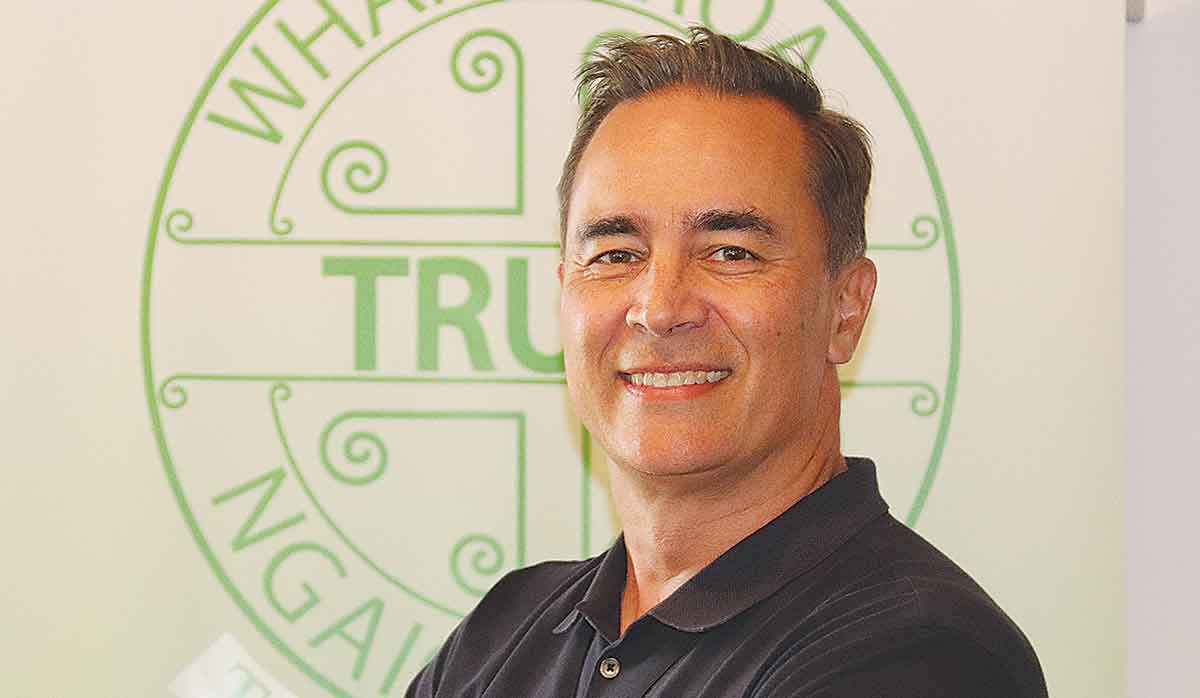
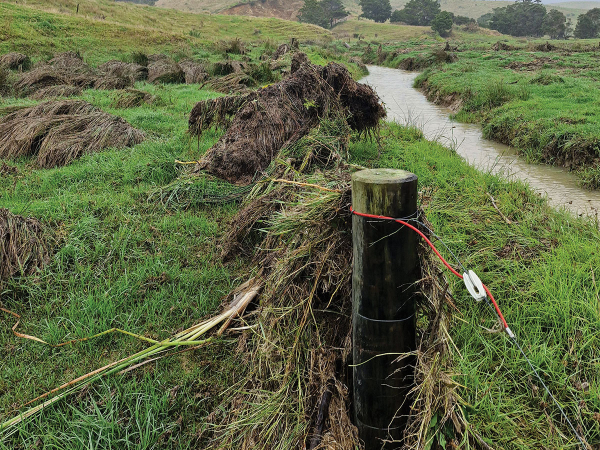 Morris Pita says they are still working out the full cost of damage on the farm.
One of the country's top Māori farms faces a long and costly rebuild to get the property back to where it was before recent storms ripped through it.
The 360ha bull-beef farm owned by the Whangaroa Ngaiotonga Trust is located near the settlement of Whangaruru and last year won the prestigious Ahuwhenua Trophy for the top Māori farm in the country.
But a severe isolated rain deluge of 400mm hit the Whangaruru area causing massive damage to roads, homes and the farm. Co-chair of the Whangaroa Ngaiotonga Trust, Morris Pita, says it will take at least a month to repair the damage. He says they lost two 2000 metres of fencing and six culverts were destroyed and need replacing.
"The farm manager Matt Payne and his staff have got stuck in repairing the damage and they will repair the fences in due course," he told Rural News.
"We have had the insurance assessors in touch straight away they have responded quickly, and we have a digger operator to make a start on the earthworks that need doing. This includes roads and washed out culverts and other parts of the farm infrastructure that took a big hit," he says.
Pita says they are glad they have insurance, which is a big help, but adds that there are things that cannot be insured and they are still working out the full cost of the damage bill, likely to be significant.
He says they haven't had to destock because of the storm but says moving animals around is not easy. Just after the storm, staff had to use kayaks to get to some parts of the property.
"But the issue we have is road access, with many slips, and I know that forestry trucks can't get through. I suspect it may be the same for some of the stock trucks as well," he says,
Pita says the farm staff have been marvelous. He says not only have they worked hard to get the farm back in operation, but they have also helped the wider community deal with the effects of the storm. He also praised the help given by government agencies and local and regional councils.
 |
|---|
|
Co-chair of the Whangaroa Ngaiotonga Trust, Morris Pita. |
Welcome Rain
Northland MP Grant McCallum says he's visited the Whangaruru area and the area has been absolutely smacked by the storm.
He says road access is an issue and many homes and local businesses have been damaged - some red stickered.
But he says it appears that the damage is just confined to that one area.
"In fact, Northland is in good shape. I haven't had any reports of major damage to orchards or farms in other parts of the region. Although I was told that some forestry operators were having difficulty getting logs out of certain areas," he says.
McCallum says ironically some of the rain that fell in other parts of Northland was welcomed. But he says he feels for the peole in the Whangaruru area that have been so badly affected by the storm.
OPINION: First on the scene after the recent devastating storms in parts of the North Island were emergency services and selfless members of the public.
For the most part, dairy farmers in the Waikato, Bay of Plenty, Tairawhiti and the Manawatu appear to have not been too badly affected by recent storms across the upper North Island.
The Insurance & Financial Services Ombudsmen Scheme (IFSO Scheme) is advising consumers to prepare for delays as insurers respond to a high volume of claims following this week's severe weather.
One of the country's top Māori farms has been badly damaged by a severe isolated thunderstorm which hit parts of the east coast of Northland last week.
Northlanders scooped the pool at this year's prestigious Ahuwhenua Trophy Awards - winning both the main competition and the young Maori farmer award.


National’s pledge to introduce 19 new national standards shows the party is serious about getting Wellington out of farming, Federated Farmers says.
The National Party’s policies to make it easier to grow fresh vegetables, secure reliable water and energy and simplify farm planning are practical changes that will give growers the confidence to invest, according to Horticulture New Zealand (HortNZ).
Fonterra Co-operative Group chief financial officer Andrew Murray has resigned to take up a role outside the dairy giant.
A major move is about to get underway to improve the quality and viability of dairy beef and cattle in NZ.
Veterinarians say changes to the code of welfare for dairy cattle provides a positive foundation for improved cattle welfare across the country.
Today, 15 October, is the International Day of Rural Women, which recognises rural women’s contribution to farming, communities and the environment.