NZKGI Responds to Migrant Worker Exploitation Reports
Where any worker in the kiwifruit industry is mistreated, we expect the authorities to take action.
 increase font size
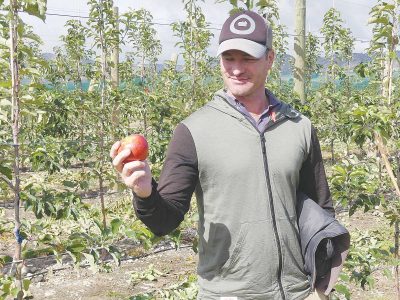 Ngãi Tahu Farming business development manager Ben Giesen.
Apple trees could be replacing pines in North Canterbury.
Ngāi Tahu Farming has ordered tree stocks for planting a trial orchard in the Culverden/Balmoral area in 2021. The initial 15ha commercial pipfruit orchard could be the first in the wider Amuri Basin.
The area is known for long, hot, fine days and low rainfall.
Local farmers have been known to grow fruit trees successfully for home consumption and it was partly this knowledge that prompted Ngāi Tahu Farming to consider trialling horticulture as an option in the area.
Ngāi Tahu Farming has at least 9000ha of pine forest and beef in Amuri Basin, but it has been looking at alternative land-uses for several years.
A Plant and Food Research study found the local soils and temperature extremes could potentially suit a range of horticultural options.
Ngāi Tahu Farming business development manager Ben Giesen told Hort News that following the Plant & Food study, data showed one limiting factor for orcharding in Amuri Basin was the relatively short number of growing temperature days. The data indicated Culverden was at the lower end of the accepted range, meaning the fruit would not grow to the size it did in other regions.
An ongoing trial, now in its third year, is showing positive signs across a range of horticultural crops being trialled.
Working with outside advisors including Plant and Food and Fruitfed Supplies, Ngāi Tahu Farming first prepared its old pine country for horticulture. The company planted a 2.5ha trial orchard, mostly stonefruit, olives and nut trees.
The trial trees did reasonably well in the first year, though it was soon apparent the orchard would need better water infrastructure and wind protection to thrive, Giesen said.
A Ngāi Tahu Farming team including orchard manager John Blackadder sought support and advice from Fruitfed Supplies and AgFirst consultants on spray and fertiliser programmes, different irrigation and trellis systems and application rates.
In the second year of the trial the focus turned to apples as the company planted Envy, Jazz, Galaxy, Lady in Red, and some berries, nut trees, stonefruit and olives.
The following year Ngāi Tahu Farming and its advisors started monitoring growth rates to get hard data about how these trees perform in the area. Growth rates varied from 600-800mm, with the majority between 700-800mm.
By then the trees were doing well and the company felt confident it was planting in the right conditions. About four months ago, Ngāi Tahu Farming asked itself the crunch question, could an orchard be commercially viable?
After an extensive search, the new orchard developers managed to secure about 40,000 trees for 2021, enough for a 15ha site.
Giesen said they would initially have enough tree stock to plant 15ha. Apples would be the initial focus, but stonefruit was also a possibility and the company was taking advice on production and pathways to market.
Final requirements to allow the trial block to run as a commercial orchard have finished, including the installation of an Orchard-Rite wind machine to counter the area’s biggest orchard risk – frosts.
The installation of NIWA weather monitoring stations, in key locations, will allow data to be collected to help mitigate other potentially damaging climatic risks – such as Canterbury’s infamous nor-wester winds.
Where any worker in the kiwifruit industry is mistreated, we expect the authorities to take action.

Kiwifruit growers are watchful but remain optimistic as concerns around the potential effects of the El Niño weather pattern this season.
The New Zealand Institute of Forestry (NZIF) says unnecessary changes to New Zealand’s Emissions Trading Scheme (NZ ETS) will seriously erode investor confidence and result in significant reductions in forest planting rates.
James Blair, an agronomist for AS Wilcox and the Pukekohe regional champion, has won the 2026 Young Grower national title.
Claimed to be the first autonomous robot for New Zealand vegetables growers, the first Kilter AX-1 unit has arrived in the country.



LIC shareholders have elected a new North Island representative to the co-operative's Board, along with five representatives to its Shareholder Reference Group (SRG), following the company's Annual Meeting held in Invercargill.
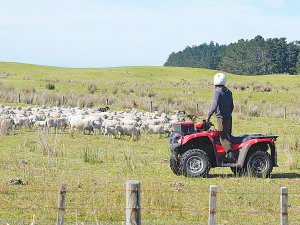
Farmers across parts of Southland and South Otago are continuing to deal with difficult conditions after a prolonged run of wet weather, with pressure building around feed supply, stock management, pasture damage, farm infrastructure and everyday workloads.
Federated Farmers says it welcomes Labour's commitment to reviewing the Sharemilking Agreements Act, calling on other major parties to do the same.
For Canterbury dairy farmers Sian Meijer and Rick Wobben, wearable technology has become one of their most valuable on-farm tools - helping manage 1850 cows across an expansive, high-performing dairy operation while improving efficiency, mating outcomes and day-to-day decision making.
Fonterra has unveiled its annual results for the 2026 financial year, posting $27 billion in revenue and close to $20 billion returned to New Zealand farmer owners and unit holders.
The first major update to the Dairy Cattle Code of Welfare in more than a decade has been released, marking what DairyNZ describes as an important step in ensuring animal welfare standards continue to evolve alongside scientific evidence and on-farm realities.