Why Now Is the Time to Plan Farm Succession, Findex Says
OPINION: Succession and long-term planning are perennial topics because it is perpetually sidelined on busy farms.
 increase font size
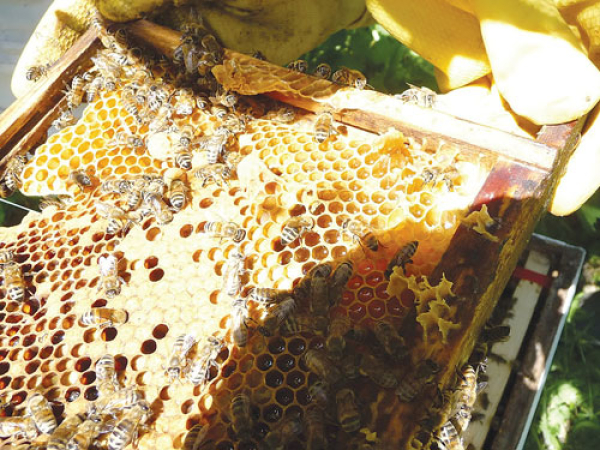 Honey is one of the big winners in the EU FTA.
The main beneficiaries of the EU FTA will be kiwifruit, onions, honey, wine and seafood.
The horticultural sector will have $46 million in tariffs slashed from day one, while honey exporters will benefit from the phased removal of the 17% over three years, and for mānuka honey rights from day one.
NZ's two main exports - dairy and meat - have not gained the access they were hoping for. However, butter gets 36,000 tonnes of quota - phased in over seven years. While small in NZ terms, it equates to around 60% of the EU's total annual butter imports. Cheese will have improved access, growing from just over 6,000 tonnes to 31,000 tonnes over seven years.
Beef access again is small, but perhaps understandable given that the EU is a major beef producer. The quota will progressively go to 10,000 tonnes over seven years with a reduced tariff quota.
NZ sheep meat exporters will have access to an additional duty-free quota to the EU growing to 38,000 tonnes over 6 years. This is on top of existing duty-free WTO quota access to the EU of 125,769 tonnes.
OPINION: Succession and long-term planning are perennial topics because it is perpetually sidelined on busy farms.
Farms across the upper North Island are trialling different pasture mixes as part of a research programme that aims to build greater resilience into farming systems.
Election years are always a concerning time for farmers, according to DairyNZ chair Tracy Brown.
James Blair, an agronomist for AS Wilcox and the Pukekohe regional champion, has won the 2026 Young Grower national title.

DairyNZ deputy chair Cameron Henderson has been re-appointed unopposed for another term.
Farms across the upper North Island are trialling different pasture mixes as part of a research programme that aims to build greater resilience into farming systems.
Election years are always a concerning time for farmers, according to DairyNZ chair Tracy Brown.
The Ballance Farm Environment Awards are coming to the West Coast of the South Island.
Most dairy regions around the country have had a pretty good season so far says Tracy Brown.