Rural Contractors Urged to Renegotiate Contracts as Fuel Prices Surge
Rural contractors are getting guidance on how to deal with recent rising fuel prices.
 increase font size
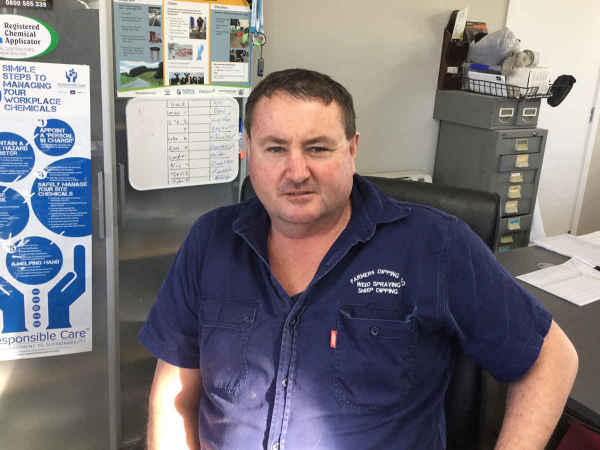 RCNZ president David Kean says there is mounting concern among contractors that without skilled operators much of their machinery will sit idle, causing havoc for farmers and contractors alike.
Agricultural contractors are becoming increasingly frustrated at the lack of skilled workers available.
The frustration comes amid growing concerns for the industry and farm production in the face of a critical shortage of skilled machinery operators.
Industry body Rural Contractors NZ (RCNZ) is calling on the Government to allow overseas-based operators back into New Zealand to help alleviate the growing problem.
RCNZ recently met with Agriculture Minister Damien O’Connor to discuss the issue, but no resolution was forthcoming. The RCNZ deputation included current president David Kean, former president and Canterbury contractor Steve Murray, chief executive Roger Parton, Invercargill contractor Daryl Thompson and Otorohanga contractor Julie Clark.
Kean says there is mounting concern among contractors that without skilled operators much of their machinery will sit idle, causing havoc for farmers and contractors alike.
Kean fronted a stormy meeting of RCNZ members in Gore after the meeting with O’Connor late last month.
“We had 60 people, contractors and their wives and partners. They’re stressed because they’ve financed millions of dollars of machinery. These are in the yard ready to go but in many cases, there are not enough Kiwis with the skills to drive them.’’
Kean says while RCNZ supports the Government’s wish to train more New Zealanders, the reality is the industry relies on experienced overseas workers to get the work done.
“We’ve said to the minister, we will do all we can to employ Kiwis and also accept that anyone coming in to meet the shortfall will be in quarantine for two weeks, at our expense,” he says.
“The critical thing now is getting numbers confirmed and arrangements underway in time to meet the farming community’s requirements once spring arrives.”
Kean says RCNZ has worked with the Southern Institute of Technology to do initial expos and 40 people are now going through the first of six courses at the SIT Telford campus. He says they are also working on North Island courses.
“However, while such six-week courses may provide people with sufficient skills to drive a tractor safely, a big piece of equipment such as a combine harvester or silage machine needs much more in the way of training and skills development.”
O’Connor says he acknowledges the issue facing rural contractors and others in the ag sector and is working on a solution.
“I’m acutely aware of the issue and of the concerns of Rural Contractors NZ – and others in the primary sector,” he told Rural News.
“I am working closely with the Immigration Minister on issues relating to overseas workers across the primary sector.”
Kean told the Gore meeting that rural contractors are suffering from the same impacts as many other businesses hit by COVID-19.
“If we can’t get some of these workers in, there will be major impacts for farming output as well as for contractors,” he warns.
RCNZ chief executive Roger Parton says ag contractors have been taking on New Zealanders displaced from other work in recent weeks. However, he is concerned that if their former jobs open up again in tourism or aviation, they will go back to these roles.
“RCNZ understands it needs to work with the Government to fill all the gaps it can before it looks to bringing in people under the Essential Workers category,” Parton explains.
Rural contractors are getting guidance on how to deal with recent rising fuel prices.

Rural contractors will be able to play a role in the revamped agricultural plastic recycling scheme with new regulations due for Cabinet signoff before this year’s election.
Rural Contractors NZ says members are frustrated at having to work through more layers to get visas approved for skilled seasonal machinery operators ahead of the imminent season start. Andrew Olsen comments.
Rural contractors deserve to be listened to on safety issues created by new roading developments which don’t allow motorists to pass slow-moving vehicles, says Associate Agriculture Minister Andrew Hoggard.
When the new National-led government is finally formed there will be a long list waiting for it to action from the primary industries sector.



Federated Farmers says it welcomes Labour's commitment to reviewing the Sharemilking Agreements Act, calling on other major parties to do the same.
For Canterbury dairy farmers Sian Meijer and Rick Wobben, wearable technology has become one of their most valuable on-farm tools - helping manage 1850 cows across an expansive, high-performing dairy operation while improving efficiency, mating outcomes and day-to-day decision making.
Fonterra has unveiled its annual results for the 2026 financial year, posting $27 billion in revenue and close to $20 billion returned to New Zealand farmer owners and unit holders.
The first major update to the Dairy Cattle Code of Welfare in more than a decade has been released, marking what DairyNZ describes as an important step in ensuring animal welfare standards continue to evolve alongside scientific evidence and on-farm realities.
Ravensdown shareholders have elected Jane Montgomery and Kate Acland to the Ravensdown Board for three-year terms, following a closely contested director election.
Federated Farmers says new legislation replacing the Resource Management Act will cut red tape, unlock investment and help grow New Zealand's export-led economy, after the Planning Bill and Natural Environment Bill passed their third reading in Parliament yesterday.