Continental to discontinue agricultural tyre production amid strategic shift
Continental was founded in 1871, offering solutions for vehicles, machines, traffic and transportation.
 increase font size
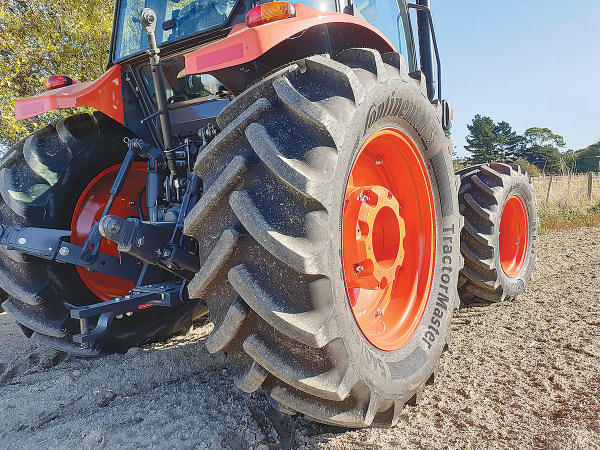
Based in Hannover, Germany, Continental started making farm tyres in 1928 and continued right until 2004.
This is when the company sold the rights to its brand name to another company, which manufactured Continental-branded farm tyres under license. So, between 2004 and 2017, Continental farm tyres were ‘Continental’ in name only.
Fast forward to today and Continental farm tyres are back. This follows a return to in-house farm tyre manufacturing and an all-new tyre design-and-manufacturing facility.
In 2016, Continental reacquired the rights to its farm tyres brand and in 2017 opened a new production facility and testing centre in Lousado, Portugal.
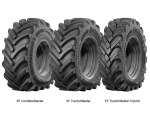
The results are an all-new tyre design, developed to be durable, comfortable to ride, and designed to actively prevent soil compaction.
More recently, the all-new Continental farm tyres have also earned an endorsement from the respected German agricultural institute DLG. It tested the Continental Tractor Master and found it to have a 2.5-3% efficiency advantage over two other better-known European farm tyre brands – in both ground coverage per hour and fuel efficiency.
This email address is being protected from spambots. You need JavaScript enabled to view it.
Continental was founded in 1871, offering solutions for vehicles, machines, traffic and transportation.
Alliance, a part of Yokohama Off-Highway Tyres, has introduced a new tyre, especially designed for pivot irrigation systems.
Tyre manufacturer Continental has launched its all-new ‘Agriculture TireTech’ app, aimed specifically at the farming sector.
Trelleborg Wheel Systems and Dana Inc have jointly developed a revolutionary central tire inflation (CTIS) system for farm machines.
Tyre maker Nokian is set to bring digital technology to those black, round items at the corner of your machine.


Alliance is calling for final applications for its 2027 Graduate Programme, with applications closing on Sunday 25 October.
Decades piloting planes has ensured vet and farmer David Hayes is focused on safety. So, after a serious accident while welding on farm, he is sharing his experience so others can learn from it.
Canterbury milk processor, Synlait Milk has confirmed Leon Fung as its chief executive officer.
OPINION: Making it easier to collect rainwater and use it to grow crops and livestock is a no brainer.
As part of its Election 2026 coverage, Rural News asked political parties how they would help pull the arable sector out of the doldrums. Here's what they said:
Farmers are being encouraged to rethink how they manage waste on farm with the launch of ruralwastesorted.co.nz, a new website bringing together practical tips, real farmer experiences and resources.