El Niño Warning: NZ Farmers Urged to Plan Fert Early
Plan ahead and be patient. That’s the message to farmers and horticulturalists from the chairman of the NZ Agricultural Aviation Association, Kent Weir.
 increase font size
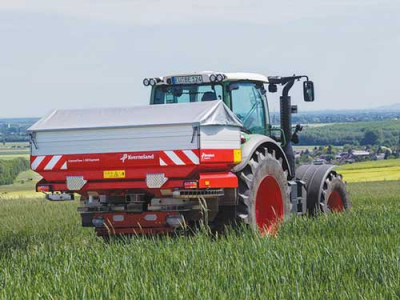 Fertiliser is here to stay.
Thursday October 13 came and went without too much fuss (the birthday of Grantham girl Margaret Thatcher, the UK’s first female prime minister); for farming folk this date was more importantly Global Fertiliser Day.
Fertiliser, applied the world over to increase productivity, typically replaces elements such as nitrogen, phosphorous, potassium and a number of trace elements.
It’s easy to get dragged along with all the negativity about fertiliser, largely that of nitrate leaching. However, fertiliser will continue to be increasingly important for everyone’s future.
Fertilisers became commercially available at the turn of the century, when Yara – later Norsk Hydro – produced the world’s first nitrogenous fertiliser in 1905.
The October 13 date was chosen because it marks the anniversary of the discovery of ammonia synthesis by German chemists Fritz Haber and Carl Bosch in 1908; which led the way for the manufacture of fertilisers as we know them today.
The importance of fertilisers to modern day agriculture is confirmed by the fact that 50% of global food production for animals and humans can be attributed to its judicious use. In fact, statistics show that when applied at optimum rates, 1kg of nitrogen will result in an extra 22kg of grain in most cereal crops.
That importance is further emphasised by an alarming statistic which says the world is losing 4ha farmland every 10 minutes, meaning less land has to feed more people. Over the next 50 years, it is claimed, farmers will need to grow more food than has been grown in total over the last 10,000 years to feed a population that will approach 9 billion.
Looking at it from another angle, in 1960 one hectare of land fed two people. However, by 2025 that same hectare of land will need to support five people.
So it looks like fertiliser is here to stay, much to the chagrin of greenies and tree huggers who would have us survive on five portions of tofu per day (this incidentally is made from soy milk, extracted from soya beans, which must be grown commercially).
As one old sage summed it up, improving yields by strategic use of fertiliser helps promote biodiversity, encourages birds and insects and actually helps prevent the world’s natural habitats and forests being converted into farmland.
Now there’s an interesting thought; I think I’ll mull that over while downing a beverage made from commercially grown barley blended with commercially grown hops and a little yeast.
Plan ahead and be patient. That’s the message to farmers and horticulturalists from the chairman of the NZ Agricultural Aviation Association, Kent Weir.
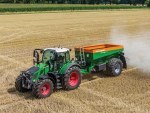
Amazone's ZG-TX combi spreader has been updated with several new features, centred around improved accuracy and easier operation.
When it comes to annual rebates, it's been a long time between drinks for Ravensdown shareholders.
Ravensdown has reported a net profit before tax and rebate of $50.1 million for the year ended 31 May 2026.
A new digital assistant is now helping Ballance Agri-Nutrients farmers speed up nutrient information and ordering.



The Government is introducing a new nationwide rural recycling scheme that will significantly increase the recovery of farm plastics from March next year, Minister for the Environment Nicola Grigg announced today.
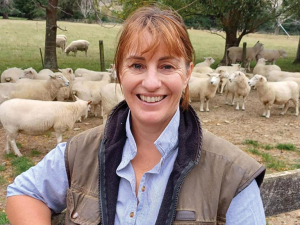
B+LNZ's Wormwise veterinarian Mary Bowron has won the Best Sheep and Beef Vet of the Year Award in recognition of her outstanding contribution to New Zealand’s sheep and beef sector.
Researchers at Massey University are using a special piece of scientific equipment to improve the measurement of greenhouse gas emissions from pasture soils.
More signs of a booming kiwifruit sector.
OPINION: David Seymour and James Meager's plan to make it easier for farmers and orchardists to operate drones can best be described a 'courageous' move.
New Zealand wool is reaching new heights as air filtration companies move away from synthetic products to biodegradable alternatives.