
El Niño Warning: NZ Farmers Urged to Plan Fert Early
Plan ahead and be patient. That’s the message to farmers and horticulturalists from the chairman of the NZ Agricultural Aviation Association, Kent Weir.




 increase font size
 Labour Agriculture Spokesperson Jo Luxton
OPINION: Since the escalation of tensions involving Iran and the closure of the Strait of Hormuz, farmers have seen diesel prices pushing closer to $4 per litre.
Fertiliser costs, including urea, have risen by more than 50 percent in the last month, while fuel distribution constraints have been adding further uncertainty due to heightened demand.
For our rural communities, these are not small changes. They translate directly into higher input costs, tighter margins, and increased pressure on day-to-day operations.
Our primary sector drives export earnings, supports regional employment, and underpins our domestic food supply. But as a trading nation we are also highly exposed to global volatility, particularly when it comes to imported fuel and fertiliser.
Farm margins are tightening under the weight of rising diesel and input costs. If these pressures continue, the implications go beyond individual businesses. They affect production decisions, future investments, and every stakeholder that relies on our food system - from farmer to plate.
Fuel availability is also a real concern - in this case it’s whether the fuel will be there when it’s needed.
That’s why it’s important to ask: has the Government estimated the cost of war on New Zealand’s primary sector yet, and are they prepared to step in to help the sectors that need it most?
There is a strong case for practical, targeted support. Recognising the primary sector as a top priority in the fuel prioritisation framework could help ensure continuity of supply. Targeted support for the most margin-squeezed sectors, including maize and vegetable growers, could help maintain business confidence and production.
Strengthening fertiliser resilience, including exploring domestic procurement options, would reduce our exposure to ongoing global volatility. Private investment has been signalled, including Victoria Hydrogen’s proposed $3 billion urea plant in Southland. This represents a step toward reducing reliance on imported urea, but key inputs such as phosphate rock, potash, sulphur, and products like diammonium phosphate would remain imported, meaning New Zealand will continue to rely on global markets for much of its fertiliser supply.
The Government has a clear role in ensuring complementary investment in research and innovation that supports the primary sector. For fertiliser resilience, that could include improving how inputs are used and recovered to reduce waste and improve efficiency. Instead, recent reallocations and ongoing restructuring across the science system - including further cuts to R&D linked to the primary sector - risk undermining our long-term security.
There is no quick fix, but that makes sustained investment even more critical. Scaled up, coordinated funding in areas that directly support the primary sector, such as nutrient efficiency, recovery from waste streams, and alternative inputs could reduce our vulnerability over time. Without this, we risk remaining exposed to global volatility.
Doing nothing and hoping conditions improve is not a plan. This Government needs to recognise that reality and respond to this honestly with rural New Zealand. Our primary sector should not be left to carry these pressures alone.
Plan ahead and be patient. That’s the message to farmers and horticulturalists from the chairman of the NZ Agricultural Aviation Association, Kent Weir.
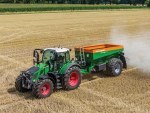
Amazone's ZG-TX combi spreader has been updated with several new features, centred around improved accuracy and easier operation.
OPINION: After hogging the media limelight for telling a NZ Chinese MP to "go back home", Winston Peters has decided to focus on a domestic issue - oil and gas drilling.
When it comes to annual rebates, it's been a long time between drinks for Ravensdown shareholders.
Ravensdown has reported a net profit before tax and rebate of $50.1 million for the year ended 31 May 2026.


A dairy industry leader believes eradicating the common and costly disease, Bovine Viral Diarrhoea (BVD) is within reach.
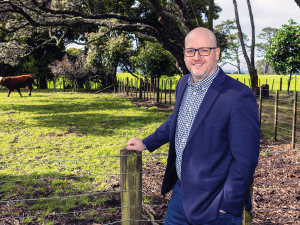
A farmgate milk price of $10/kgMS this season is firming up as milk powder prices soar and the New Zealand dollar weakens.
Federated Farmers has welcomed new rural policies released by ACT, saying they align closely with its own election priorities.
Rural Contractors NZ says proposed changes to land transport rules for agricultural vehicles are a welcome response by the Government to out of date regulations which have seen members hit with huge fines.
Alliance is calling for final applications for its 2027 Graduate Programme, with applications closing on Sunday 25 October.
Decades piloting planes has ensured vet and farmer David Hayes is focused on safety. So, after a serious accident while welding on farm, he is sharing his experience so others can learn from it.




OPINION: The same mainstream media muppets that brought you Jacindamania in 2017 have been flat out pimping for the Opportunities…
OPINION: Your old mate reckons the atrocious way farmers in the UK are treated by their lords and masters in…




