
New telemetry solution
Part of the AGCO stable, Fendt, is introducing Fendt Connect – a new generation telemetry solution for Australian and New Zealand customers, said to offer improved productivity, efficiency, and profitability.
 increase font size
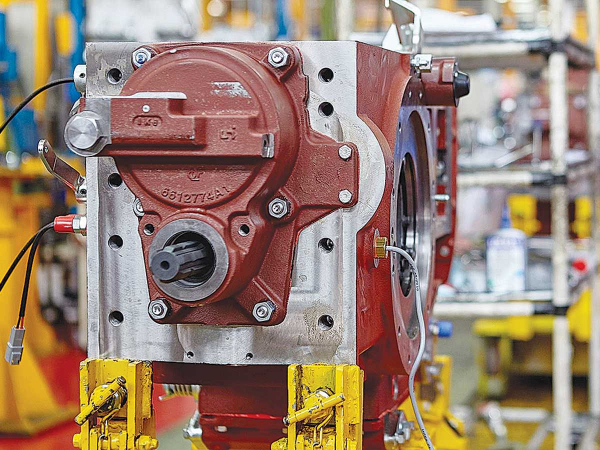 Machinery product and parts supplies for the Australasian markets are likely to come under pressure due to the second wave of Covid lockdowns currently happening in Europe.
With a second wave of Covid-19 bringing Europe to a dramatic slowdown, as more severe lockdowns are imposed, reports suggest that product and parts supplies for the Australasian markets are likely to come under pressure.
It is likely to become a greater problem as we move into the second part of 2021. This is due to our growing season being the reverse of the Northern Hemisphere and falls at a time when there are annual factory summer shutdowns.
While production is continuing, with most manufacturers implementing lessons learned during “Lockdown 1”, the likelihood is that overall production levels will be difficult to maintain because externally-sourced key component supplies – such as hydraulic pumps, batteries and tyres – are said to be tight.
A further concern is that incoming President Joe Biden may take more effective control than his predecessor and place the US in some form of lockdown. This is likely to restrict supply – particularly of higher horsepower tractors and broadacre machinery.
“Covid-19 lockdowns are affecting component manufacturers in the supply chain, increased constraints at certain ports and interruptions to shipping are all making things challenging for importers,” says Peter Scott, NZ manager of AGCO New Zealand.
Rural News understands that there is also pressure on new product supply due to the ongoing “mini-boom” being experienced in the Australian market, driven by rains and its government’s capital allowance initiatives. The Tractor and Machinery Association of Australia is reporting year-to-date sales of tractors are up by 22%, with the eventual market likely to top 13,000 tractors – a first since the 1980s.
However, it suggests the Covid situation, resulting in lower production levels, is likely to add 12-16 weeks to typical delivery lead times.
Back in NZ, Alistair Horrocks, Deutz Fahr sales manager for Power Farming, confirms that whole-goods supplies are still flowing into New Zealand.
However, he says the typical six-month lead time from order placement to delivery has now blown out to around eight months.
“Any delays we are experiencing are largely caused by shipping issues, with empty containers hard to come by, finding slots on boats, then sailing being delayed or rescheduled,” he told Rural News.
Horrocks says that while the key German and Italian supply factories are managing the situation well and largely maintaining production levels, Power Farming is having to use extended forecasting to keep supplies arriving for its NZ, Australian and US operations.
Part of the AGCO stable, Fendt, is introducing Fendt Connect – a new generation telemetry solution for Australian and New Zealand customers, said to offer improved productivity, efficiency, and profitability.



Celebrating 50 years in the rural landscape of Central Canterbury and beyond, Ashburton-based Carrfields, has been the exemplar for all aspects of modern agriculture via its extensive range of services including supply, growing, agronomic advice and marketing.

For Taupiri dairy farmers Logan and Sian Dawson, their involvement in the NZ Dairy Industry Awards has been a key catalyst in the growth of their business - the experience helping shape how they approach the farm ownership pathway they are pursuing today.
West Otago dairy farmer Luke Kane has been awarded the 2026 Rabobank Dr John Morris Business Development Prize.
OPINION: As the general election approaches, political parties are churning out policies in the hope of attracting more votes.
An LIC bull, Tronnoco AR Sadio-ET S3F, bred by Tony and Keri O'Connor of Tronnoco Farming Co Ltd near Timaru, has won the 2026 Mahoe Trophy.
With forecasters advising El Niño conditions will develop through winter and strengthen into spring and summer, Ballance Agri-Nutrients is encouraging farmers and growers to think ahead about nutrient planning and be prepared to work around challenging weather conditions.