Feeding using the KISS system
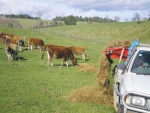
While New Zealand is the land of the bale feeder that cleverly unrolls a bale in the paddock, much feed is wasted when stock trample it on the ground.
 increase font size

THE JF-STOLL range of 3-auger diet feeders now contains two new models – of high capacity and low height, suiting passage through buildings below 3 m, says distributor CB Norwood.
They can feed 220 dairy cows effectively in one mix, powered only by a 110-120hp tractor. Two versions are on sale: VM 29-3 (side door) prepared for five openings; and VM 29-3 B with cross conveyor and big front door for feeding dry mixes with high fibre content.
The lower sides of the tub are made of 8mm high strength steel; the augers are made of high strength steel with 15mm auger flights.
Wireless weighing is standard – Feed Manager, upgradeable to the programmable Pro Feed Plus system – for a “one-time modest cost” that then allows flexible ration planning and monitoring of mixes.
This ration information is transmitted wirelessly to and from the farm computer to the main monitor normally mounted in the handler/loader tractor.
Eight weigh cells are fitted as standard; notable because many others only use three, four or six. Weighing is therefore more accurate.
The new models are fitted with a twin axle spring-loaded tandem system and the standard wheel 435/50R19.5 which gives a total height of 2.92 m.
Tel. 06 356 4920
www.jfstoll.co.nz
While New Zealand is the land of the bale feeder that cleverly unrolls a bale in the paddock, much feed is wasted when stock trample it on the ground.
Pakarata sits on the western flanks of the Kaimai-Mamaku Ranges, at 335m altitude, overlooking Okororie in Waikato.
The annual toil of calf rearing just got easier with the launch of a ‘premium’ mobile calf feeder range designed to save time, money and effort, says the developer, Stallion Plastics.
A NEW wheeled version of Advantage Feeder’s NGF 1800 feeder can enhance a farmer’s management of supplementary feeding, says the company’s managing director Gerard Roney.
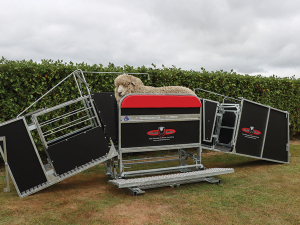
Oamaru-based livestock handling specialist Te Pari has bought Combi Clamp, the New Zealand manufacturer of Combi Clamp manual sheep handlers.
Agriculture Minister Todd McClay has admitted that a scheme bringing workers from Pacific nations to work on orchards has become too hard to navigate but says changes are coming.
A new app designed in New Zealand aims to help sheep, beef and deer farmers capture, analyse and use body condition score data more effectively.
Canterbury farmer Andy Macfarlane has been appointed to the board of AgriZeroNZ, the public-private partnership designed to accelerate the development and deployment of emissions reduction tools for New Zealand farmers.
For over 50 years Mel Ewers has been supporting the apple sector navigate through compliance and quality assurance issues.
The apple sector is enjoying a bumper harvest season.