How to Make High-Quality Grass Silage
Grass silage is pickled pasture, preserved through the conversion of its sugars into lactic acid by bacteria.
 increase font size
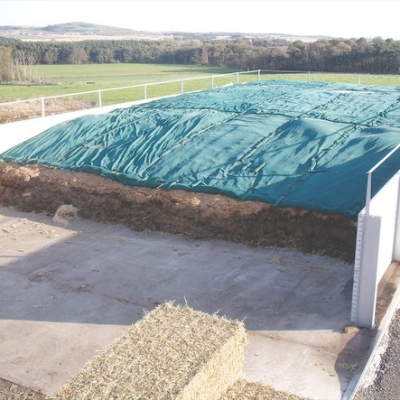
Tyres on maize and silage stacks could get the heave-ho in favour of UK-made Secure Covers, says Secure Cover System (NZ) sales manager Peter Wrightson.
These use knitted textile held down by gravel bags, seen replacing tyres on stacks in England, Europe and America, he says. They are clean, safe and don’t cost the earth.
Tyres – dirty and heavy to handle – also present a risk of wire being eaten by livestock, causing injury to digestive tracts. Sometimes this would be treatable but if wire were to pierce an animal’s stomach wall it would likely need to be put down.
Also, farmers covering maize and silage stacks with soil or limestone can struggle to retrieve feed cleanly especially from top of a stack.
Secure Covers are made of knitted, UV-stabilised polyethylene mesh. The cover is placed over the usual polythene silage sheet and weighed down with 15kg gravel bags.
Wrightson says the system provides an effective seal: the fabric withstands wind, ensuring the cover sheet stays in place over the feed.
The knitted mesh is strong and carries a 10 year guarantee. After use the cover folds up to a bundle about 1m square by 300-400mm thick.
Wrightson recommends using pea gravel to fill the gravel bags, but says farmers can use anything that’s bigger than the pores in the bag.
Feed barn builders DesignMax, Waiuku, sell the covers in Auckland region.
Wrightson says customers grow their usage of the covers year by year. “We get a few more local dairy boys using it every year. They tend to use tyres with the netting in the first year and add more bags and nets in subsequent seasons.”
Tel 0800 30 40 30
Grass silage is pickled pasture, preserved through the conversion of its sugars into lactic acid by bacteria.
As I write this article, we have just had our first frost in the Waikato, a change in weather signalling that winter is upon us.
Waikato farmer Dave Muggeridge was fed up with water seeping in through his maize silage cover and spoiling feed.
Creating perfect silage is both a science and an art, and it all begins with the right tools, according to machinery maker Claas.
Good silage starts by cutting the crop at the correct growth stage, followed by reducing moisture content, chopping to a consistent length, then stacking in a clamp.


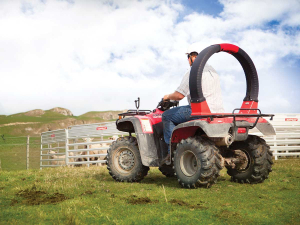
When Northland leather worker Vernon Suckling started making horse saddles 50 years ago, quad bikes and side-by-side vehicles were unheard of.
Alliance Group has confirmed that eligible farmer-shareholders who supply and continue to back the business will receive up to $20 million later this year, following the strategic investment partnership with Dawn Meats.
With a general election under five weeks away, Rural News is asking major political parties about their policies and positions on key issues facing the primary sector. We will run their responses to each question over the next four weeks. The ACT Party and the Greens didn't respond in time.
The red meat sector is in great heart.
Dr Scott Champion, Foundation for Arable Research chief executive, says that everyone in the supply chain had a role to play in driving the sector's long-term success.
Entries opened on Monday, 5 October 2026 for the 2027 New Zealand Dairy Industry Awards (NZDIA), which organisers describe as the nation's biggest celebration of excellence in the dairy sector.