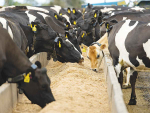
Feeding maize silage in winter: Setting the herd up for success
As I write this article, we have just had our first frost in the Waikato, a change in weather signalling that winter is upon us.




 increase font size
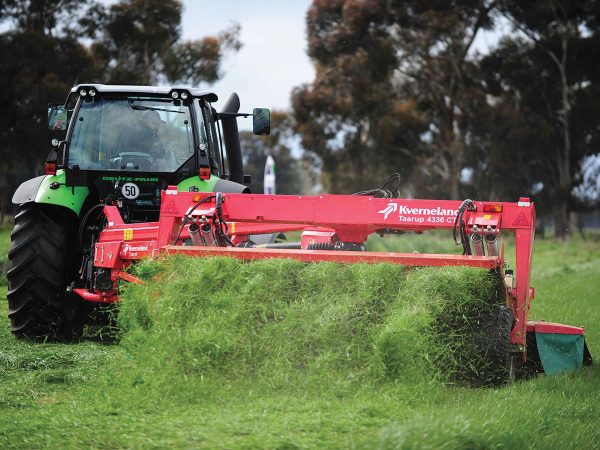 Good quality pasture silage is a good source of energy and protein for a milking cow.
Grass silage is pickled pasture, preserved through the conversion of its sugars into lactic acid by bacteria.
The process extends the shelf life of the pasture beyond what it would have if exposed to open air. To produce high-quality silage, both the quality of the original pasture and the fermentation process are crucial. Ensuring optimal dry matter content, rapid wilting, proper compaction, and effective sealing can help retain the nutrients and feeding value of the silage. It’s essential to feed out silage quickly once exposed to air to prevent spoilage.
It is impossible to produce high quality silage from low quality pasture, no matter how good the fermentation is. Both the quality of the ensiled pasture and the quality of the fermentation must be considered.
When pasture is ensiled, its sugars are converted into lactic acid by bacteria. It is the lactic acid which pickles the pasture, allowing it to be preserved for a lot longer than it would have been if left in the open air.
With well-preserved silage, losses in feeding value during fermentation will be small, and the final silage will be only slightly lower in feeding value than the original pasture.
Good quality pasture silage is a good source of energy and protein for a milking cow and can be used as a fibre source when feeding high sugar or starch feeds. However, a poor-quality pasture silage (made from low quality pasture, or ensiled with low quality fermentation, or both) will not support high milk yield and will only be suitable for dry cows, or as a fibre source to reduce risk of acidosis.
Losses when making pasture silage
Losses occur as sugars and protein in the grass is broken down by enzymes, and bacteria. This process starts as soon as the grass is cut. Losses decrease quality as well as quantity, because it is the highly digestible components which are most rapidly broken down.
Losses during harvesting
Losses depend on the dry matter (DM) of the pasture. The optimum DM for silage is 25-30% because total DM loss is minimised.
As I write this article, we have just had our first frost in the Waikato, a change in weather signalling that winter is upon us.
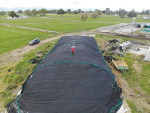
Waikato farmer Dave Muggeridge was fed up with water seeping in through his maize silage cover and spoiling feed.
Creating perfect silage is both a science and an art, and it all begins with the right tools, according to machinery maker Claas.
Good silage starts by cutting the crop at the correct growth stage, followed by reducing moisture content, chopping to a consistent length, then stacking in a clamp.
It is impossible to produce high quality silage from low quality pasture, no matter how good the fermentation is.



LIC shareholders have elected a new North Island representative to the co-operative's Board, along with five representatives to its Shareholder Reference Group (SRG), following the company's Annual Meeting held in Invercargill.
Farmers across parts of Southland and South Otago are continuing to deal with difficult conditions after a prolonged run of wet weather, with pressure building around feed supply, stock management, pasture damage, farm infrastructure and everyday workloads.
Federated Farmers says it welcomes Labour's commitment to reviewing the Sharemilking Agreements Act, calling on other major parties to do the same.
For Canterbury dairy farmers Sian Meijer and Rick Wobben, wearable technology has become one of their most valuable on-farm tools - helping manage 1850 cows across an expansive, high-performing dairy operation while improving efficiency, mating outcomes and day-to-day decision making.
Fonterra has unveiled its annual results for the 2026 financial year, posting $27 billion in revenue and close to $20 billion returned to New Zealand farmer owners and unit holders.
The first major update to the Dairy Cattle Code of Welfare in more than a decade has been released, marking what DairyNZ describes as an important step in ensuring animal welfare standards continue to evolve alongside scientific evidence and on-farm realities.




OPINION: It seems Canterbury processor Synlait is still in the doldrums.
OPINION: Get offside with New Zealand First leader Winston Peters at your own peril.




